

Signs of Change in Panasonic Group
Through initiatives such as “Organization Culture Transformation,” and “Develop & Appoint Transformational Leaders,” changes that ‘UNLOCK’ the potential of people and organizations are spreading across our organizations. We believe that these early signs of change will gradually build momentum, creating a powerful wave that accelerates transformation throughout the Group. Guided by this conviction, we will continue to foster an environment where both individuals and organizations can unlock their full potential.

Best Practice in Each Organization
Leaders of each organization are empowered to design their organizational culture based on "the 6 Principles of Organization Design", taking into account their unique organizational and business contexts, and to turn those principles into concrete actions. In organizations where transformation is already underway, leaders have taken the initiative in implementing a wide range of initiatives, delivering tangible results and driving meaningful change.
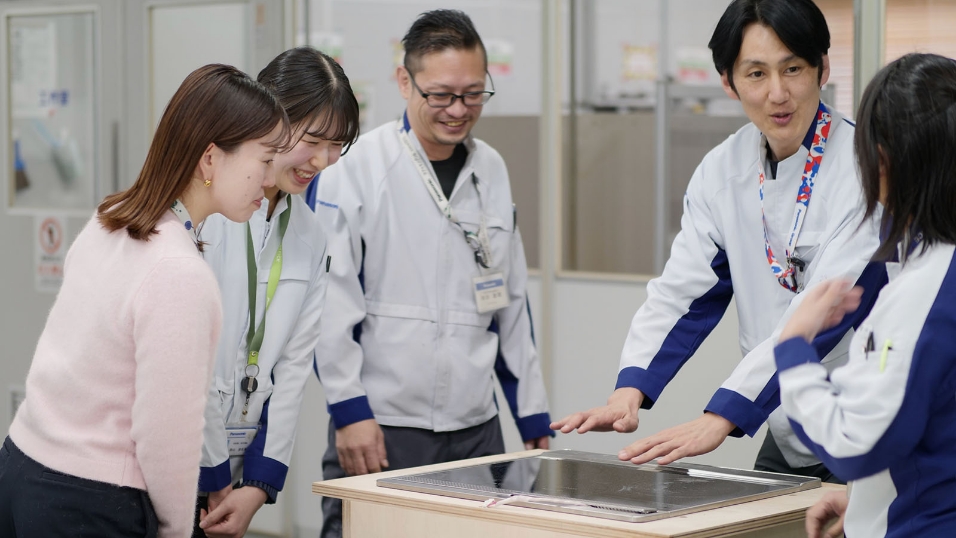
IH Cooking Heater SBU (Panasonic Corporation)
For the IH Cooking Heater SBU*, we are driving transformation under the slogan “UNLOCK Our Potential with Speed,” with a strong focus on accelerating execution at the front lines. For example, by consolidating operations onto a single floor, increasing transparency of management information, and holding daily Mini-Management Meetings, we enable issues to be shared quickly, decisions to be made on the spot, and actions to be implemented without delay. In addition, we encourage individual initiative and foster transformational leaders by introducing an open recruitment process for manager positions and by creating “Deputy-General Manager Position”, where high-potential future leaders are entrusted with significant authority and responsibility.
*SBU (Strategic Business Unit) is an organizational unit within the business unit responsible for managing and operating a specific business area.
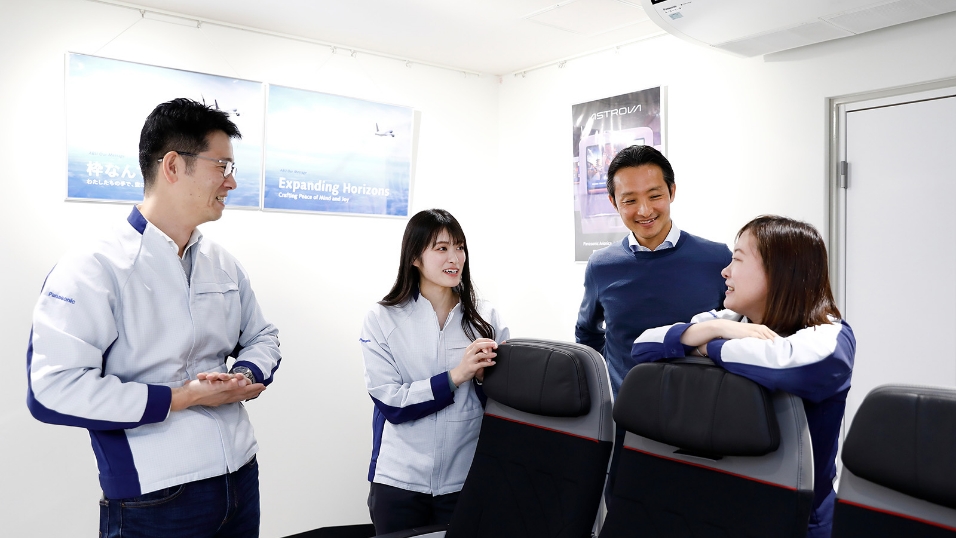
Avionics BU (Panasonic Connect Co. Ltd.)
For the Avionics BU*, we promote “Happy Colleagues” as a core principle and are committed to communicating our strategy in a timely and relatable manner while creating opportunities for employees to take on new challenges through voluntary participation. For example, at our monthly All Hands Meetings, management and all employees come together in an open forum to discuss business strategies and key initiatives. By inviting employees to present their own experiences and share their activities in their own words, we foster deeper understanding of and engagement with our strategic direction.
In addition to encouraging ongoing dialogue through our internal communication platforms, we support employees’ proactive career development through voluntary participation programs, including overseas assignments and opportunities to take part in management activities. We also cultivate a culture of collaboration that extends beyond organizational boundaries through cross-functional one-on-one meetings and other initiatives that connect employees across departments.
* BU (Business Unit) is an organizational unit responsible for business operations.
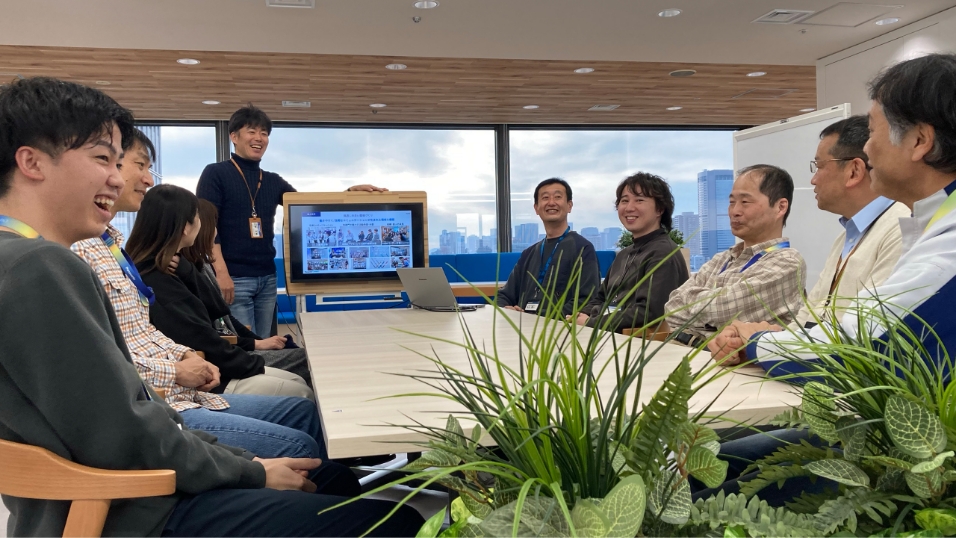
Mobile Solutions Business Division (Panasonic Connect Co., Ltd.)
The Business Division is driving reform initiatives aimed at achieving “profit-oriented management” by thoroughly reviewing and eliminating inefficiencies across its operations. The rationale behind these reforms and the direction of the initiatives are communicated and discussed with employees through channels such as All Hands Meetings and one-on-one meetings, ensuring alignment throughout the organization.
In addition, management metrics and meeting materials are shared as openly as possible, while a reduced organizational hierarchy enables faster decision-making. The Business Division is also leveraging talent mobility and accelerated leadership appointments to bring diverse perspectives into the organization, driving stronger business performance while enhancing employee engagement.
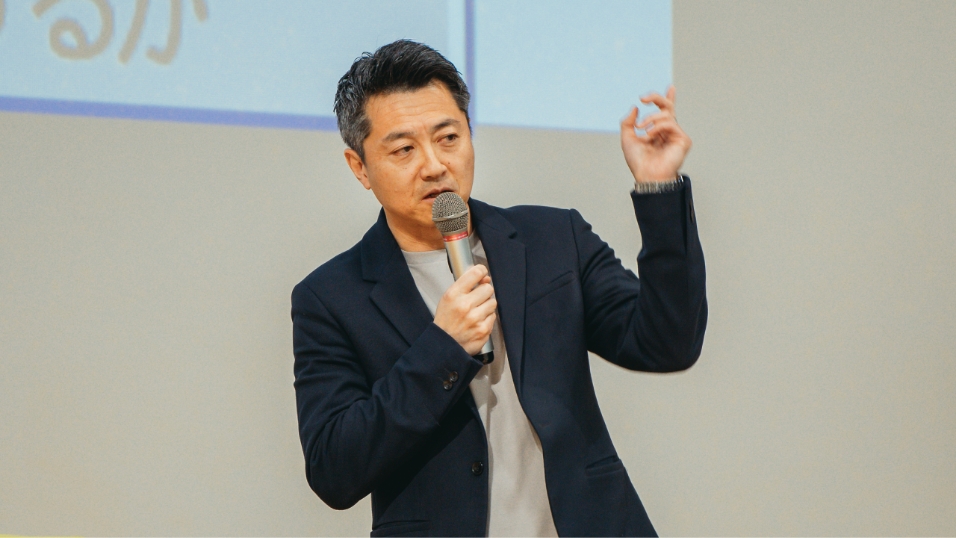
China and Northeast Asia Company (Panasonic Corporation)
This company has the policy, “Decisions on China are made by China.” It promotes organization design based on the 6 Principles of Organization Design with opinions from more than 4,000 members taken into consideration.
Decision-Making in the China and Northeast Asia Company focuses on implementing “China Speed, China Cost, and China Style.” The establishment of a decision-making system close to actual sites enables agile reaction to any change in the market or customers. The bold selection and assignment of leaders from local employees fosters an environment where diverse human talent can thrive. Furthermore, with the encouragement of learning and incorporating knowledge from other companies or business divisions accelerates the growth of the organization.
Best Practices across Group
In addition, cross-functional initiatives are gaining momentum across the Group in each of the six themes that make up the 6 Principles of Organization Design: “Evaluation & Compensation (Reward),” “Decision Making,” “Information Sharing & Learning Process (Information),” “Recruitment, Training & Selection of Leaders (People),” “Design of Work (Task),” and “Organization Structure & Placement (Structure).”
 |  |
Obeya Activities (Large-Room Activities)
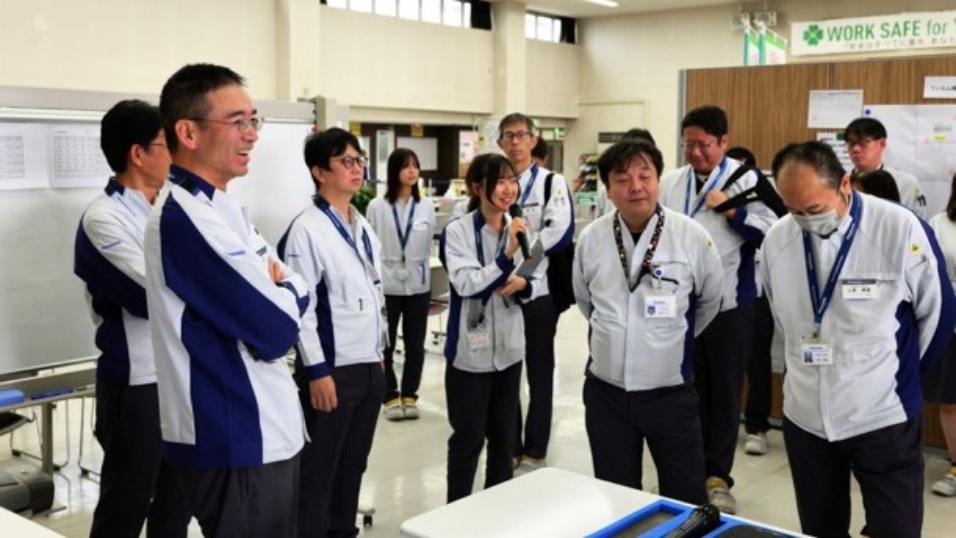
At Panasonic Group sites in Japan and around the world, “Obeya Activities” have been introduced as a means of rapidly addressing operational challenges. Business leaders, along with managers and team members responsible for manufacturing, engineering, production engineering, quality management, procurement, and administration, meet regularly to share issues across organizational and functional boundaries. By discussing challenges and determining countermeasures and courses of action on the spot, these activities enable faster and more effective decision-making.
At the Film Capacitor Business Unit of Panasonic Industry Co., Ltd. in Toyama, Japan, employees gather in an Obeya (large room) every morning to discuss issues for 30 minutes. By deciding on and implementing countermeasures on the spot, the business unit successfully reduced lead times from three days to half a day.
 |  |
Resilience Program
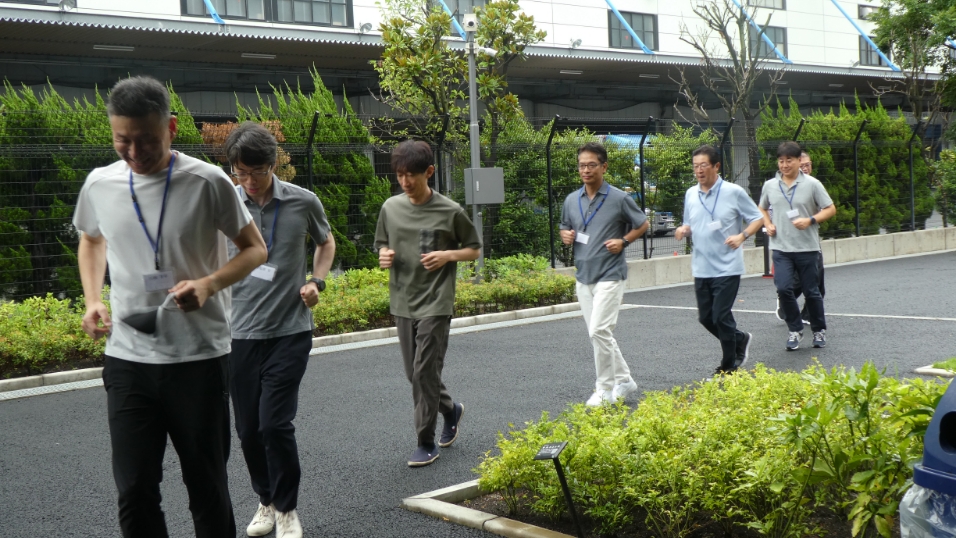
In fiscal 2022, the Panasonic Group introduced the Resilience Program with the aim of unlocking each employee’s potential through a deeper understanding of human characteristics and fostering individuals and organizations that can ‘UNLOCK’ themselves in times of change. Based on three pillars, “Peak Performance,” “Resilience,” and “Integration,” the program draws on medical and psychological insights to help participants learn about personal and organizational growth.
Employees who have strengthened their resilience through the program have taken the initiative in driving a variety of successful outcomes. These include forming teams that take on challenging projects with a shared sense of purpose, accelerating integrated activities across development, manufacturing, and sales, and creating new products by bringing together expertise from diverse functions.
In addition, since fiscal 2026, the Group has expanded the initiative to include a joint program with other companies, bringing together senior executives from electrical equipment manufacturers, semiconductor companies, and other industries.

|
Promoting AI Utilization: Initiatives in Japan
The Panasonic Group is promoting the use of AI in the workplace by leveraging its proprietary AI platform. According to an annual survey of approximately 70,000 employees in the Japan region, the rate of generative AI use for work purposes reached 66% in fiscal 2026, an increase of 29 percentage points from the previous year.
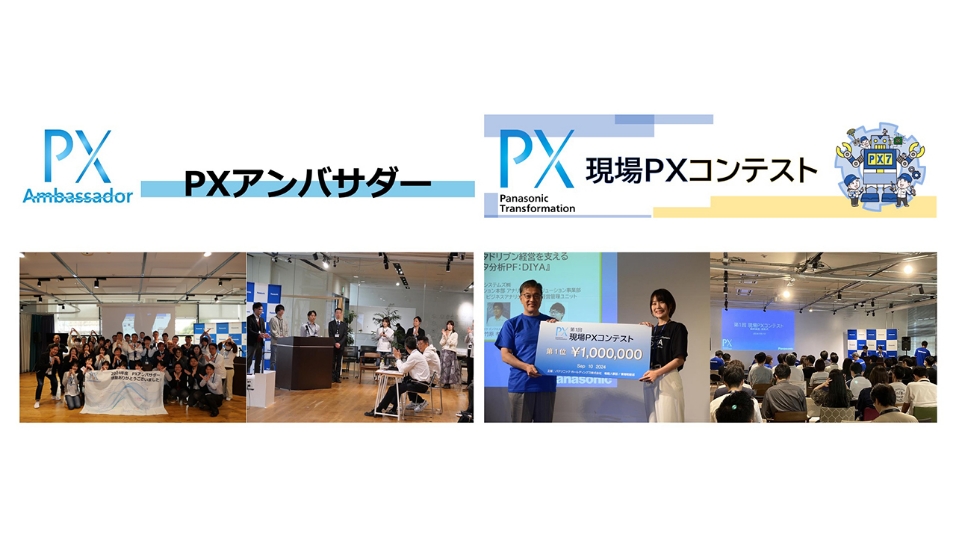
The Group also operates “the PX Ambassador” program, in which employees who volunteer for the role support the resolution of workplace challenges in response to requests from frontline teams. In fiscal 2026, 62 ambassadors participated in the program, contributing to the resolution of 386 workplace issues. In addition, “the On-Site PX Contest” invites submissions showcasing advanced initiatives that leverage generative AI and other technologies. In fiscal 2026, the contest received 272 entries, and three outstanding initiatives were recognized for their achievements.

|
Promoting AI Utilization: Initiatives in China
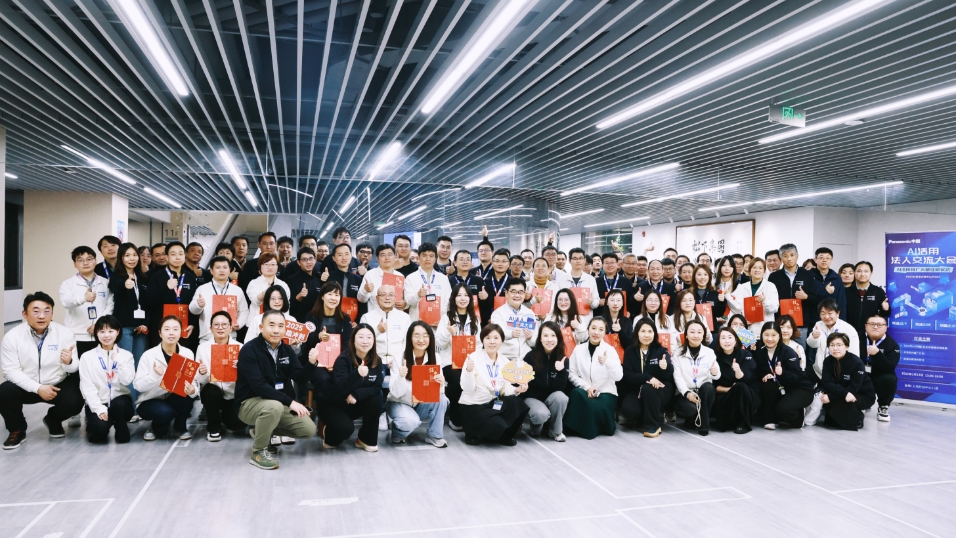
In the China region of Panasonic Group, we have developed a proprietary AI infrastructure, “OoKoO,” and are promoting an integrated approach that encompasses fostering a culture that supports AI use, applying AI in operations, building AI platforms, and establishing governance frameworks. In fiscal 2026, OoKoO had 8,500 users and was used approximately 2.92 million times, resulting in an estimated reduction of about 730,000 working hours.
Under “the AI Promotion Ambassador” program, 70 ambassadors support the use of AI to help address workplace challenges. As part of the initiative, a total of 32 workshops were conducted to share practical knowledge and encourage AI adoption across the organization. “The AI Learning Platform” has been rolled out to 53 companies, reaching approximately 6,400 employees. Cumulative learning hours through the platform totaled 58,032 hours. In addition, “the AI Contest” invites submissions showcasing AI use cases from across the organization. In fiscal 2026, a total of three contests were held. The contest for group companies in China received 23 entries from 15 companies, while the contest open to all employees attracted a cumulative total of 2,607 participants. Outstanding initiatives were recognized and celebrated through the program.
|  |
Job-based HR Management
Some Panasonic Group operating companies are advancing job-based HR management initiatives to support employees in proactively shaping their careers while strengthening business competitiveness.
For example, Panasonic Industry has introduced two distinct career tracks, Management and Specialist, to support diverse career development opportunities. Meanwhile, Panasonic Connect is promoting greater clarity in job responsibilities and roles through Job Descriptions, while aligning talent deployment with business strategy to strengthen capabilities in growth areas. In addition, we participate in the Job-Based Human Resource Promotion Conference, organized by the Cabinet Secretariat of Japan, where it shares its own initiatives and contribute to the creation of “Job-Based Human Resource Guidelines.”
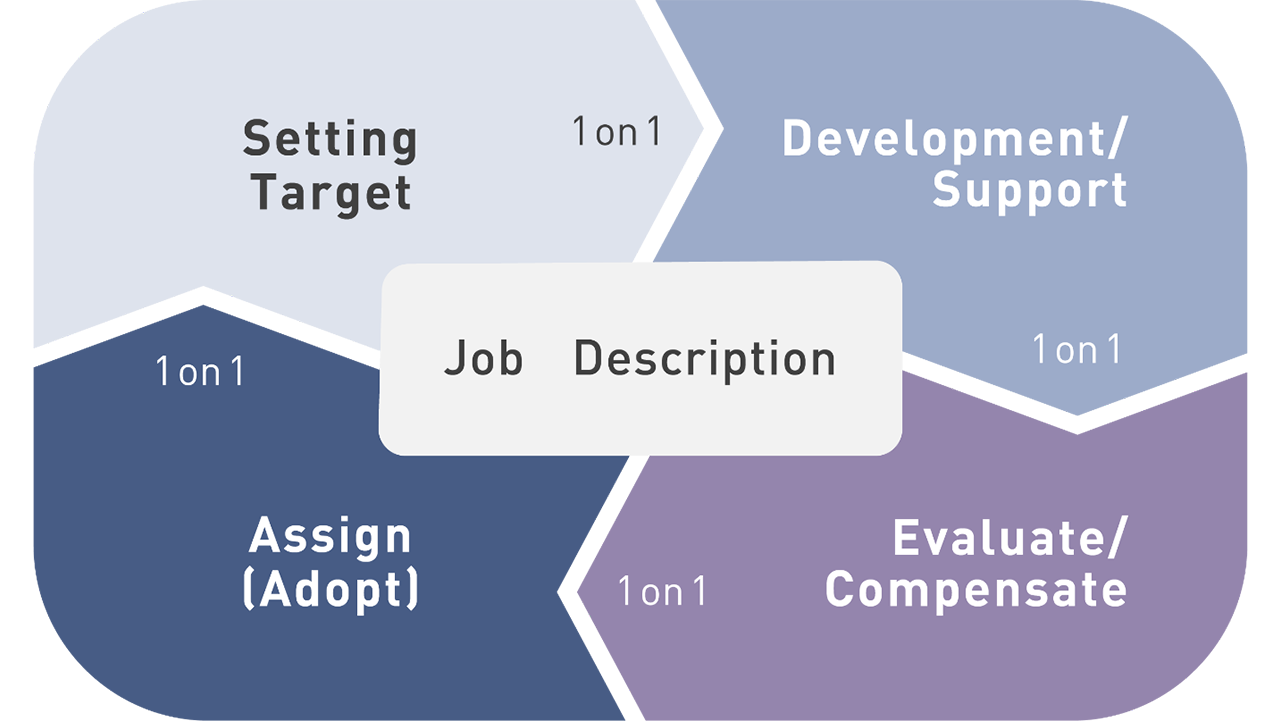
The figure shows the job-based HR management cycle at Panasonic Industry.
|  |
Alumni Community
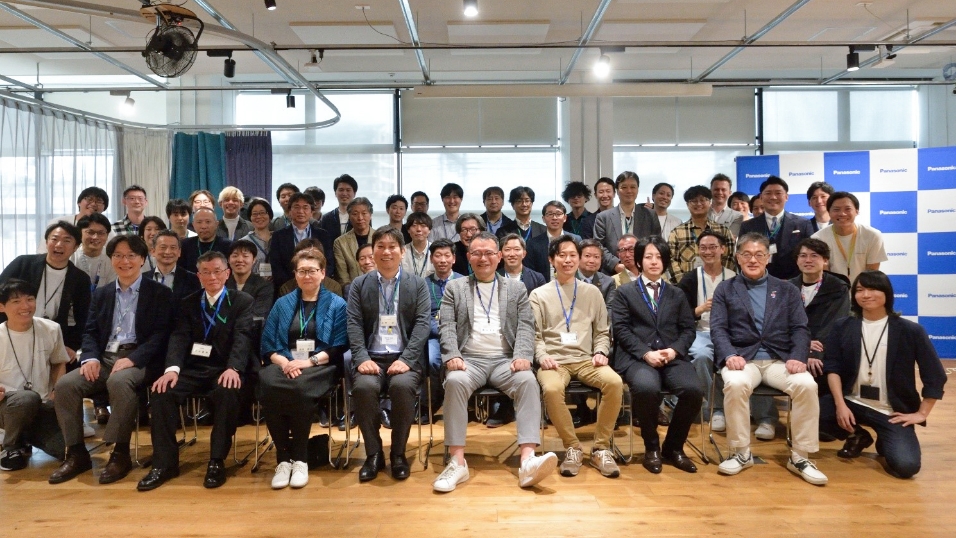
The Panasonic Group in Japan launched its “Alumni Community” in April 2024, allowing for a connection with the Panasonic alumni (employees who resigned or retired from the Panasonic Group) after retirement. Both alumni and current employees can participate in the community, which offers opportunities to build networks through newsletters, online events, and annual in-person events. The community is created to be an accessible space for participation, regardless of job roles or positions, thus fostering new collaborations and co-creation through connections with alumni who have diverse experiences.
| |
Employee Communities
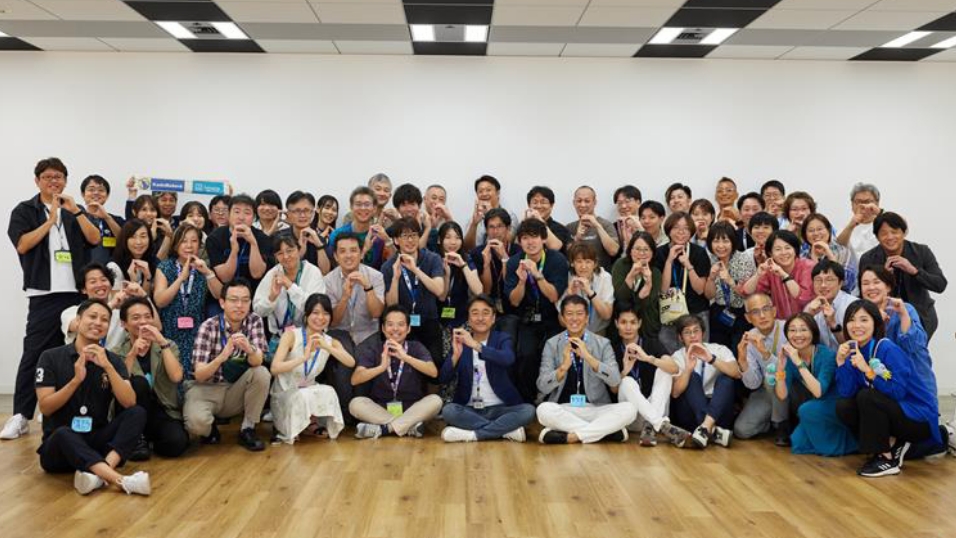
Employees have established their own internal communities, known as Employee Resource Groups (ERGs), to create a better workplace and company. These communities are formed according to common interests or issues, crossing the boundaries of the operating companies, company rank, and position, resulting in collaborations and new business ideas. The themes encompass a wide range of topics, including disabilities, gender, technology development, and business model creation. These communities contribute to the creation of inclusive spaces and improve business operations and workplace environments. The connections among employees are driving transformation across the entire group.
|
Initiatives for DEI (Diversity, Equity & Inclusion): Welcomes Uniqueness and Differences
The Panasonic Group promotes DEI (Diversity, Equity & Inclusion) as part of its human capital management initiatives. We have a wide range of ongoing initiatives to create a company where each employee accepts diversity to create greater results and contribute to society.

Please visit Human Capital Management Data of the Panasonic Group for information on our key initiatives, including human resources and work styles.