


By 2032, the Panasonic Group aims to address two key challenges: using energy more efficiently and alleviating frontline labor shortages. It will do so through businesses that support AI infrastructure and social operations. To achieve this, the Group is advancing initiatives that draw on the distinctive strengths of its three business areas: Devices, Solutions, and Smart Life. This page introduces the initiatives in each area and the principal operating companies leading them.



Devices Area
Businesses Supporting AI Infrastructure
Driving Group Growth Through Businesses Supporting AI Infrastructure
As generative AI becomes more widely adopted, investment is growing in data centers and peripheral equipment that support AI training, inference, and AI agents. As AI capabilities advance, data-processing volumes are surging, driving a sharp increase in power demand. Optimizing power efficiency in step with advances in GPUs1 and data center systems has therefore become essential. At the same time, demand is rising for more sophisticated next-generation power management that can absorb fluctuations in power loads and improve the overall efficiency of data centers.
Businesses supporting AI infrastructure in the Devices area contribute to the development of social infrastructure by supporting the “brain” and “heart” of AI servers installed in generative AI data centers.
With high-performance Printed Circuit Board (PCB) materials and conductive polymer capacitors, Panasonic Industry (PID) supports the circuits surrounding GPUs, ASICs2, and CPUs3—the “brain” of AI processing—as well as a variety of peripheral devices. These products help prevent high-speed signal degradation, curb power consumption and temperature increases, and ensure a stable current supply under high-temperature and high-voltage conditions. Panasonic Energy (PEC) provides high-output, space-efficient energy storage systems for data centers. Within the power supply infrastructure—the “heart” that supplies electricity to GPUs and ASICs—these systems provide backup power during outages and suppress peak power demand, helping achieve both power efficiency and stable operations. By combining PID’s materials and process technologies, PEC’s strengths in high-output performance and systems integration, and production and supply structures capable of responding rapidly to demand, the Group will meet demand in the rapidly growing market for AI data centers.
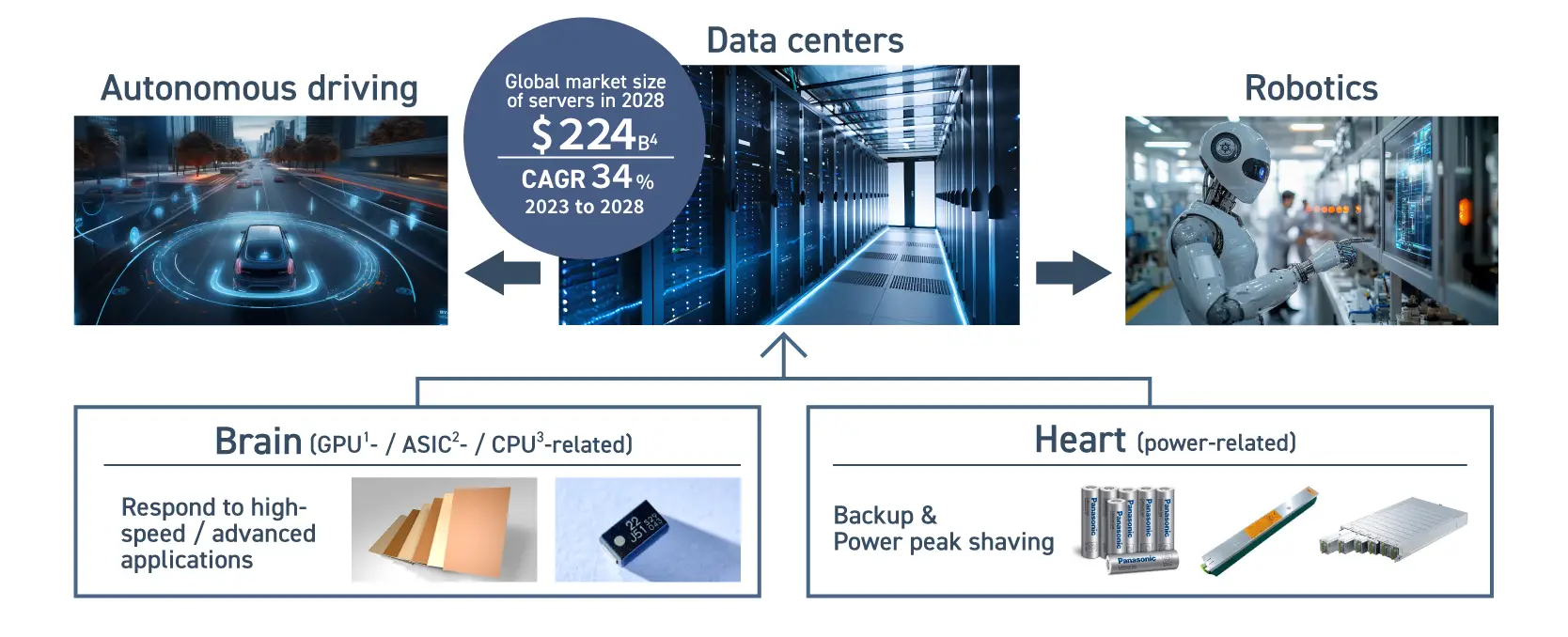
1 GPU: Graphics Processing Unit—a semiconductor used for large-scale AI computation.
2 ASIC: Application Specific Integrated Circuit—an integrated circuit designed for a specific application.
3 CPU: Central Processing Unit.
4 Assumption based on Gartner Inc. research
Growth Targets and Investment Plan for FY29
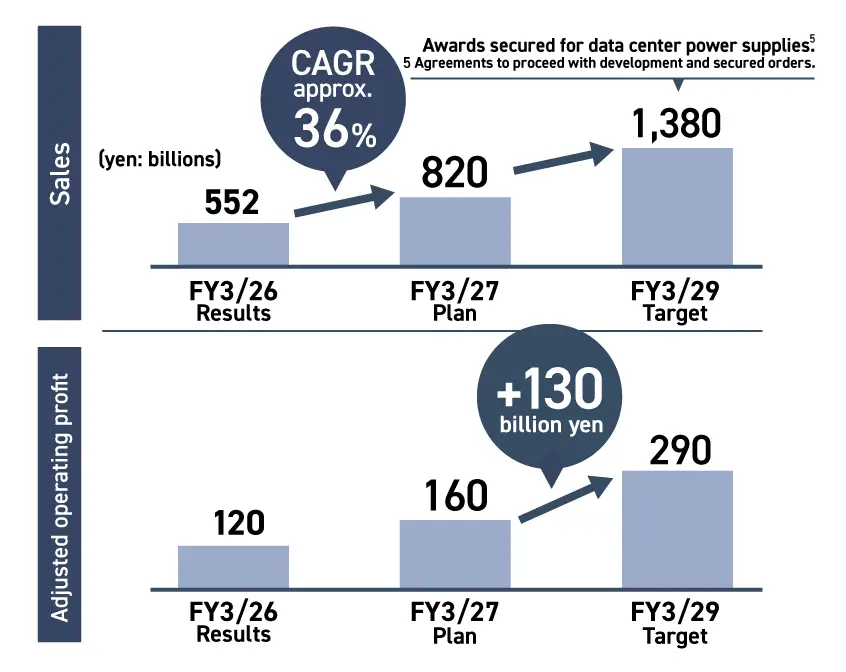
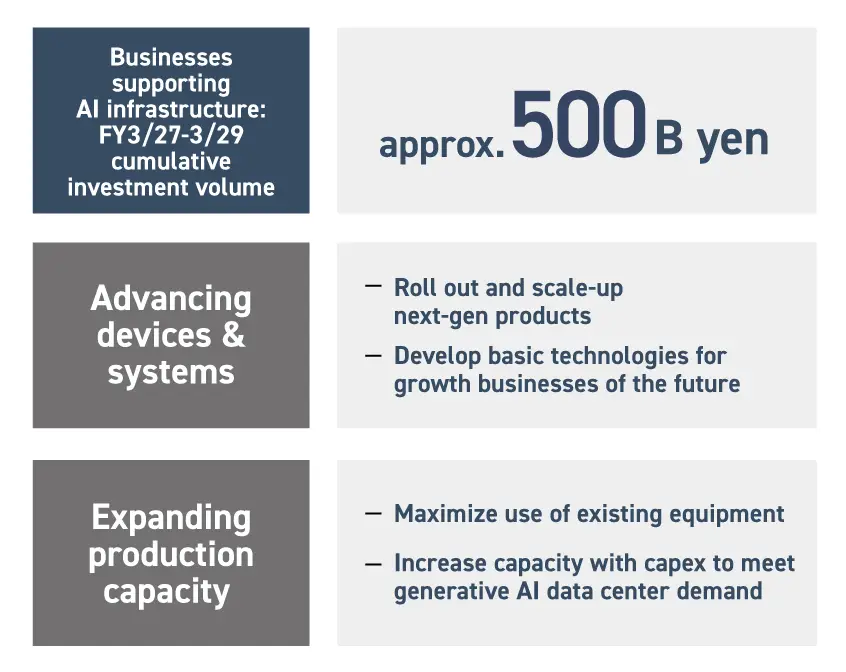
The Devices area's AI infrastructure businesses are expected to generate approximately 1.4 trillion yen in sales and 290 billion yen in adjusted operating profit by fiscal year 2029. In response to growing demand and customer requests, the Group will invest a cumulative total of approximately 500 billion yen from fiscal year 2027 through fiscal year 2029. The investment will support the rollout and expansion of next-generation products, strengthen the development of fundamental technologies that can create future growth businesses, and expand production capacity. Through these initiatives, the Group will pursue further growth from fiscal year 2030 onward.
*In this content, fiscal years (FY) refer to the years ending March 31 of the stated year.
Sales and profit
Investments
Devices Area Initiatives
Devices Area: Driving Growth Through FY3/29 with Businesses Supporting AI Infrastructure


Principal Operating Companies in the Devices Area
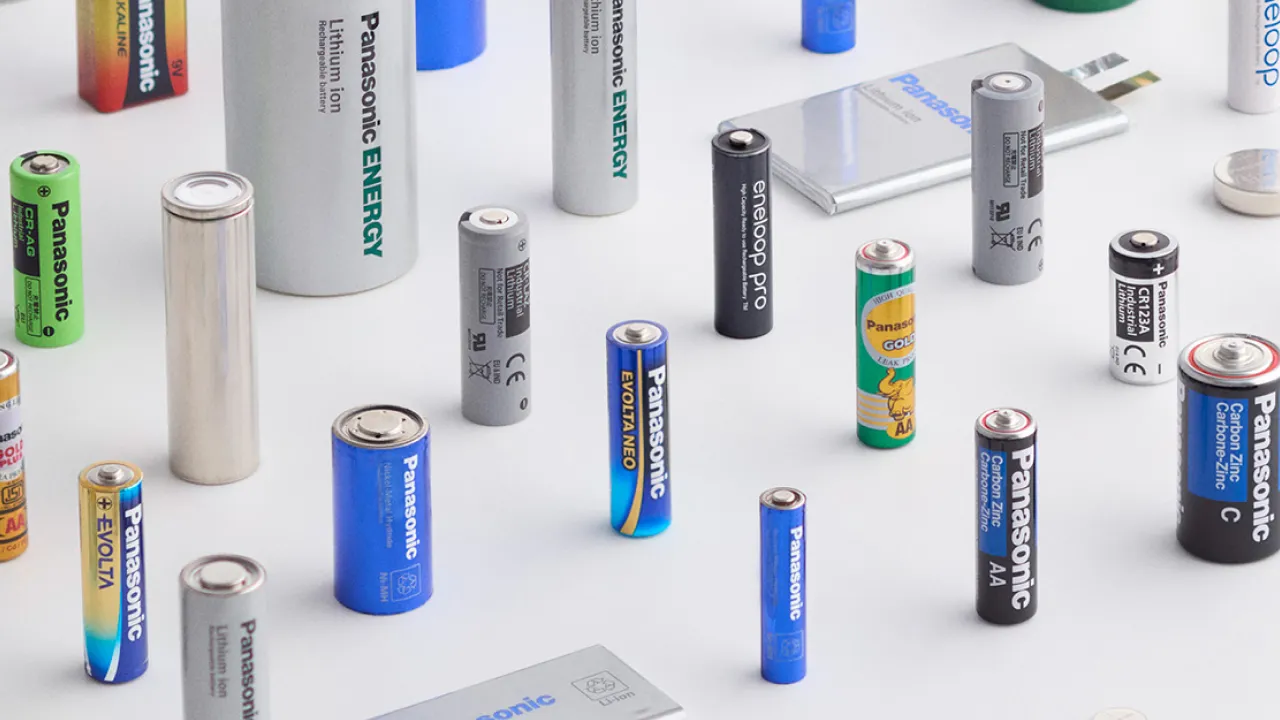

Our business includes the development, manufacturing, and sales of industrial batteries and in-vehicle batteries that support social infrastructure across a wide range of fields, as well as dry-cell batteries that support convenient and comfortable daily life.
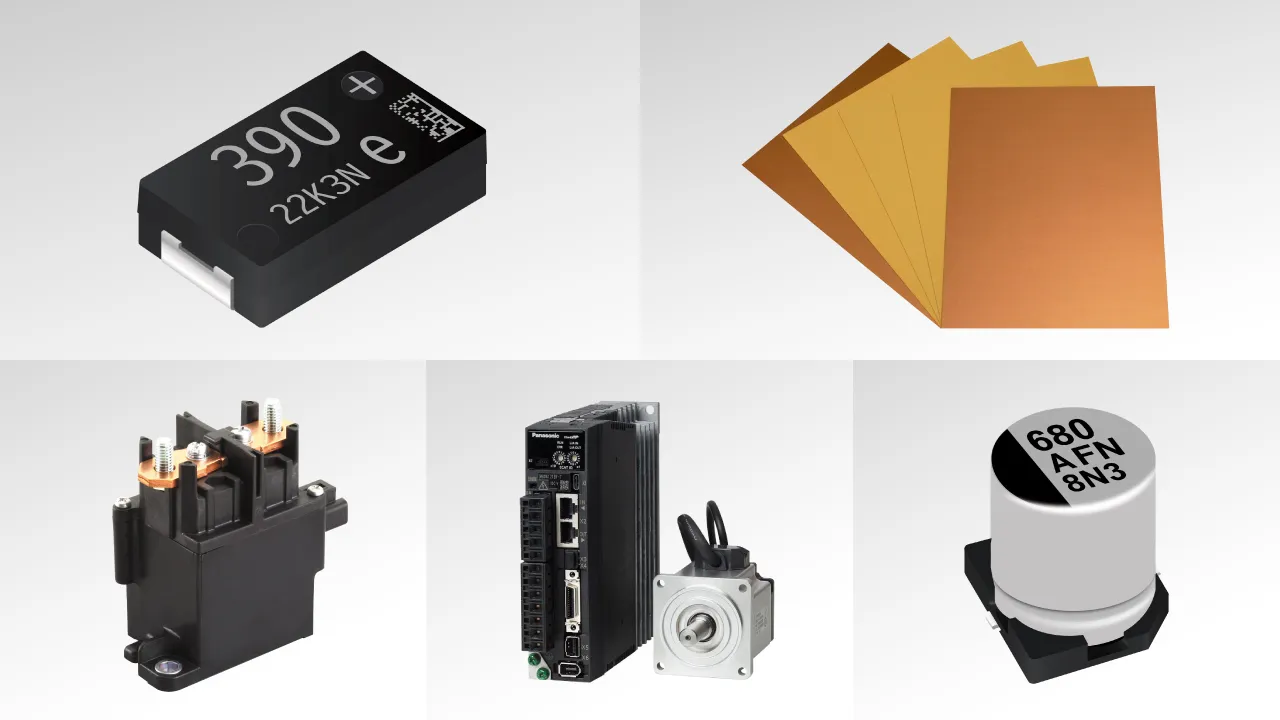
To continue to contribute to a prosperous society by paving the way for a better future through a variety of device technologies, we propose an extensive range of solutions in the B2B business areas including electronic components, FA and industrial devices, and electronic materials.
Related Articles on the Devices Area

Solutions Area
Businesses Supporting Social Operations
Strengthening Services and Engineering Capabilities to Make Social Operations a Core Source of Future Group Profit
Labor shortages are becoming increasingly severe across manufacturing, logistics, services, and many other frontline operations. Rising energy costs and growing demands for environmental action are making the operational challenges faced by companies and public institutions increasingly complex.
We at Panasonic have long supplied hardware to frontline operations around the world across a wide range of industries, building strong relationships with customers in the process. Going forward, the Group will build on these relationships and harness AI and digital technologies to expand its service and engineering offerings—including consulting, operational support, maintenance, and system integration—starting with Machines in the Field (MIF), the products already installed and operating in the market.
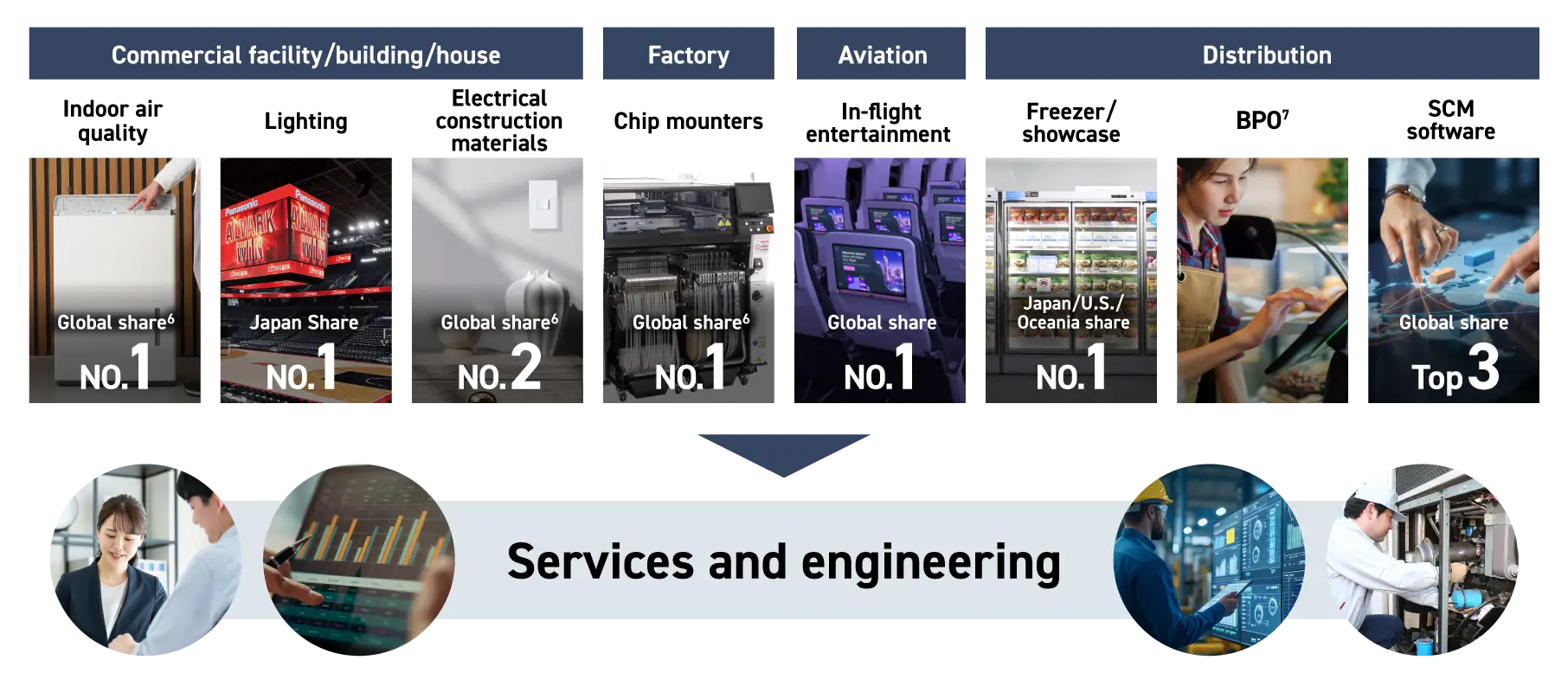
6: Market shares (MS) based on our 2024 market survey / MS of wiring devices / MS of surface mount technology (SMT) mounters
7: Business Process Outsourcing
Supporting Social Operations with “Always-On, Energy-Saving, and Labor-Saving” Solutions
During Phase 1, through fiscal year 2029, the Group will shift its focus from a hardware-centric business model to one that delivers value through services. Staying closely attuned to customers’ management challenges, it will use services and engineering capabilities to provide “always-on, energy-saving, and labor-saving” solutions. Going beyond the delivery of hardware, we in the Panasonic Group will broaden both the scope and duration of the value it provides to customers, accelerating growth in the Solutions area.
Building on its strong market positions in hardware, the Group has broad access to a wide range of customer operations and continues to build extensive expertise in equipment operation. By deepening its understanding of customers’ operations, expanding its service offerings, and strengthening its service and engineering capabilities, the Group aims to develop businesses supporting social operations into a core source of future profit from fiscal year 2030 onward.
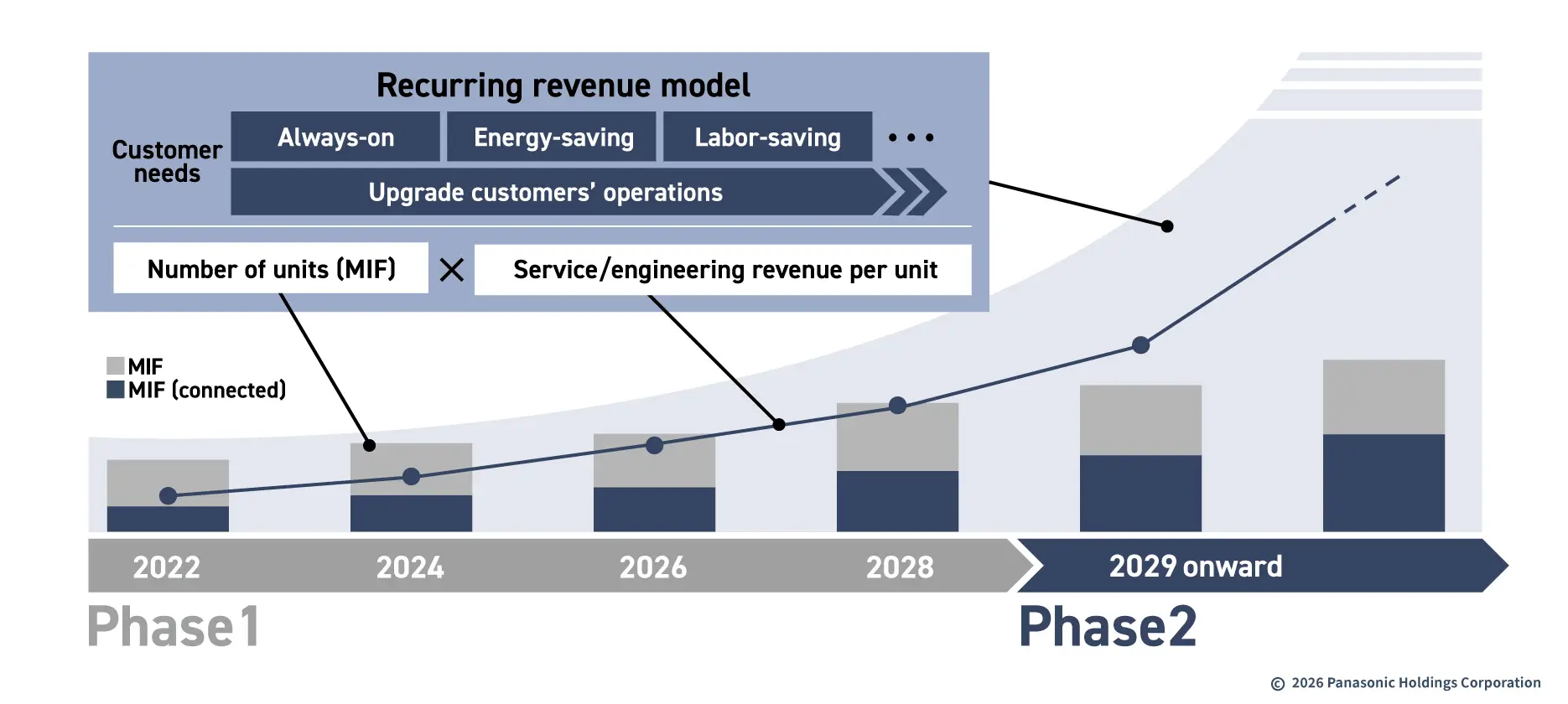
Solutions Area Initiatives
Driving Growth in Solutions Area: Panasonic HVAC & CC’s Corporate Strategy
Principal Operating Companies in the Solutions Area

We provide various solutions to our B2B customers in the four business segments of supply chain, public services, infrastructure, and entertainment.
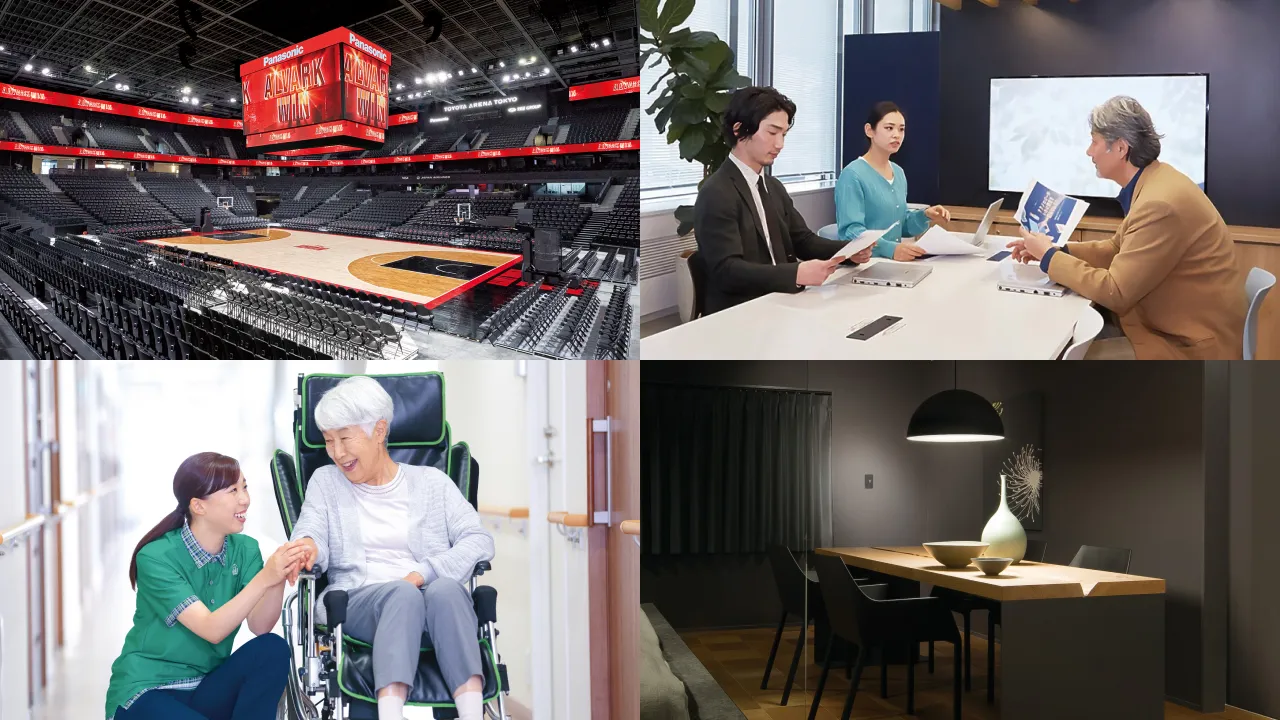
Panasonic Electric Works Co., Ltd. conducts business in the electrical construction material field across all types of “living spaces” that make up society, including homes, offices, hotels, commercial facilities, and sports facilities.
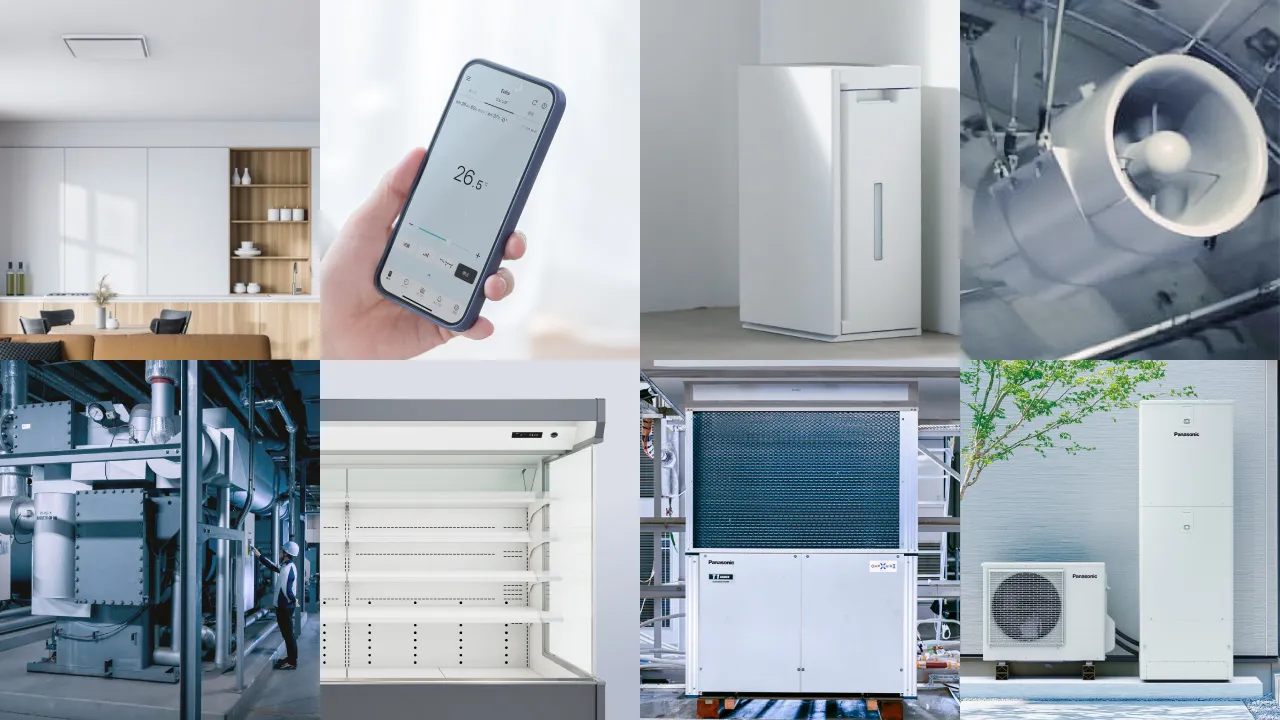
Panasonic HVAC & CC Co., Ltd. was established with the goal of addressing everyday challenges in the essential fields of air, water, and food that support people's lives.
We serve a wide range of environments, including homes, offices, commercial facilities, and food distribution.
By integrating our proprietary technologies developed over many years with our extensive expertise and operational capabilities, we deliver a wide range of air-, water-, and food-related products and solutions to customers around the world.
Related Articles on the Solutions Area

Smart Life Area
Leading Efforts to Maximize Brand Awareness and Value
Building Greater Trust Worldwide by Strengthening Brand Awareness and Value
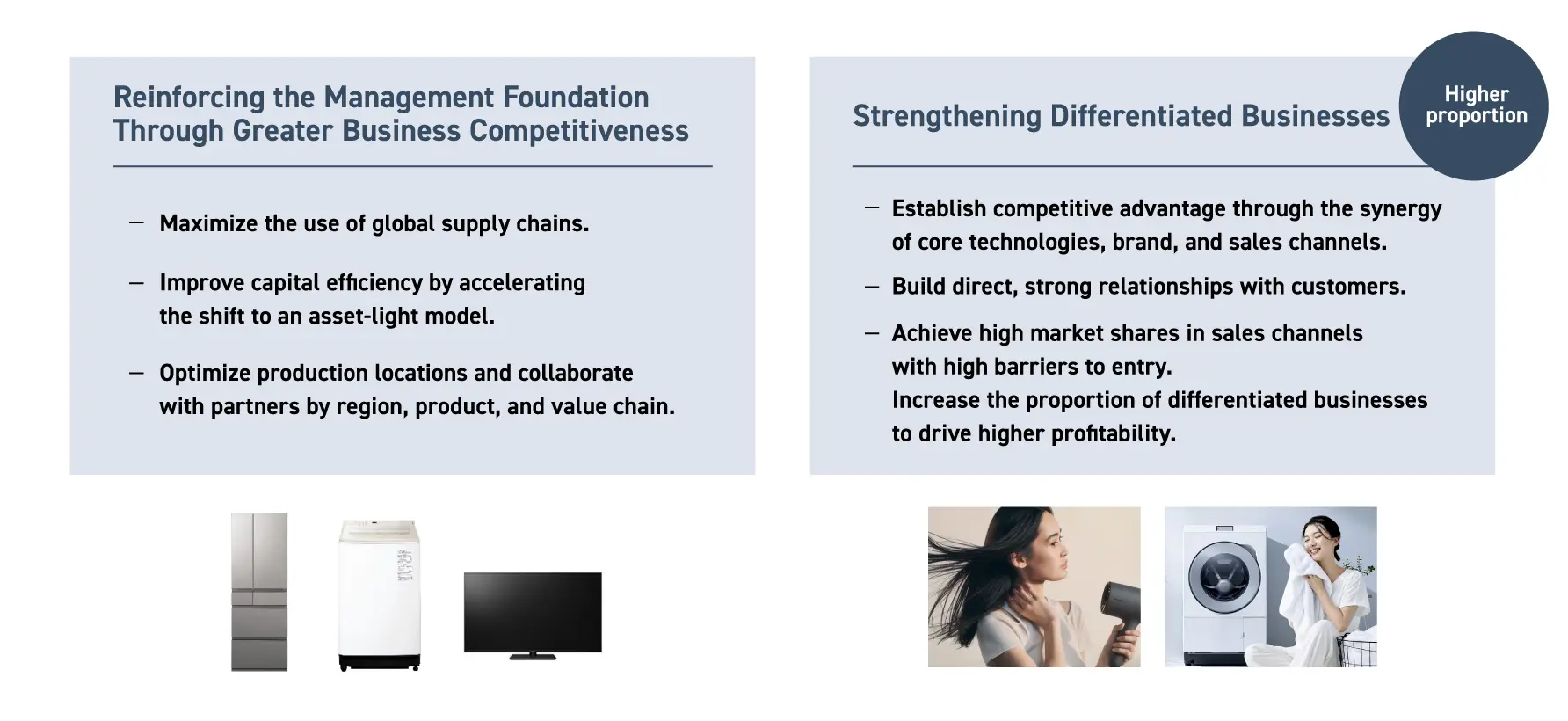
Centered on the consumer electronics business, the Smart Life area will strengthen its competitiveness by pursuing global-standard cost efficiencies and accelerating the shift to an asset-light model, with the aim of achieving high profitability and sustainable growth. For products that can be differentiated through proprietary core technologies, Panasonic will communicate that value more clearly so that customers can truly experience the “Panasonic difference.”
By earning customers’ trust through consumer electronics, the Smart Life area will play a vital role in strengthening the Panasonic Group brand while also helping build recognition and trust in the Group’s B2B businesses.
Principal Operating Company in the Smart Life Area
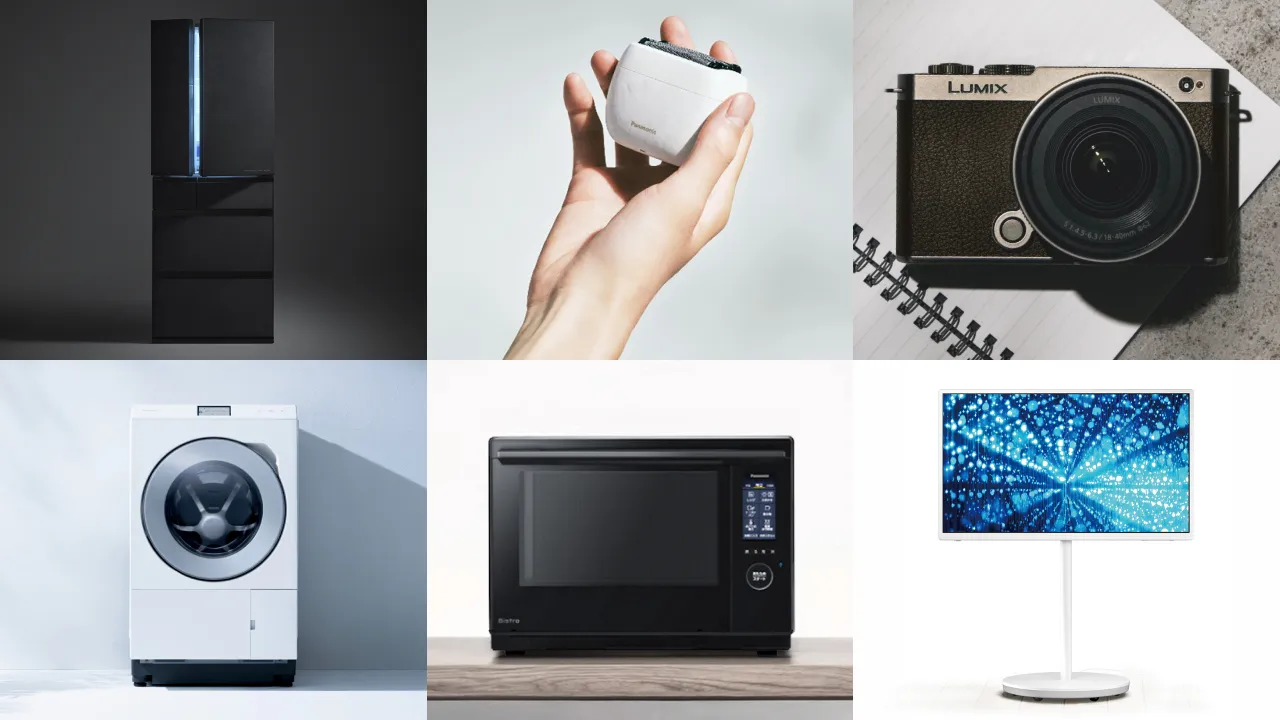
Panasonic Corporation transitioned into a new organization dedicated to lifestyle solutions centered around consumer electronics, related devices, and business solutions. Guided by our mission, “Transform the ordinary into the unforgettable—making everyday irreplaceable,” we strive to create new value in people’s daily lives and help each individual enjoy a better, more fulfilling way of living.