

Biodiversity Conservation
-
Initiatives for Sustainable Procurement of Raw Materials

-
Activities for Land Use
-
Initiatives for Products and Services
-
Contributing to Environmental Conservation through Product Use and Sales
-
Conservation of Biodiversity through Collaboration with and Support for NGOs, NPOs and Venture Corporation
-
Participation in Biodiversity Initiatives
Ways of Thinking about Biodiversity
Our social lives and business activities are supported by the various benefits provided by nature (NCP: Nature's contributions to people). It is also recognized that climate change measures, the promotion of resource circulation, and biodiversity conservation are closely interconnected in efforts to achieve the Sustainable Development Goals (SDGs) and a "society in harmony with nature," the long-term vision of the United Nations Convention on Biological Diversity.
In December 2022, the Kunming-Montreal Global Biodiversity Framework (GBF) was adopted at the 15th meeting of the Conference of the Parties to the Convention on Biological Diversity (COP15), held in Montreal, Canada. With the aim of realizing the 2050 Vision of "a world living in harmony with nature," the framework sets out a mission to halt and reverse biodiversity loss by 2030 and put nature on a path to recovery — in other words, to achieve a nature-positive world. Twenty-three global targets have been established to accomplish this mission.
In light of these international developments, the Panasonic Group places importance on its fundamental approach to nature positive. Under the biodiversity conservation component of GREEN IMPACT PLAN 2028, the Group will continue its existing policy and promote initiatives to reduce the impacts of business activities on ecosystems and contribute to their recovery, with the aim of becoming nature positive.
Three Targets in GIP2028
| Targets | SDGs | |
|---|---|---|
| Sustainable procurement of raw materials | Promote sustainable procurement of wood and paper, etc. | 12,13,15,17 |
| Utilization of greenery in business sites (land use) | Utilize greenery in business sites, considering conservation of biodiversity | 13,15,17 |
| Products and services | Offer products and services that contribute to conservation of biodiversity | 11,12,15,17 |
Promoting awareness in the Group and actions related to the TNFD
The Panasonic Group conducts internal awareness-raising activities to enhance understanding and awareness of biodiversity and nature positive. As part of these efforts, the Group established the Nature Positive Working Group under the Sustainable Management Promotion Consortium in fiscal 2025. In addition to lectures by experts and panel discussions with the Group CTO responsible for environmental matters, the working group holds internal workshops for R&D divisions and operating companies, shares information on initiatives throughout the Group, and provides updates on the latest developments. These activities deepen understanding of the relationship between business activities and biodiversity and foster awareness throughout the Group.
The Group is also advancing its response to the Taskforce on Nature-related Financial Disclosures (TNFD). Specifically, it is conducting analyses based on the LEAP approach to identify interfaces between its business activities and natural capital, including biodiversity and water, while also identifying dependencies and impacts, assessing risks and opportunities, and conducting scenario analyses. For information on the Group's TNFD reporting, please see here.
The Green Impact Plan that is reviewed and revised every three years is equivalent to the Biodiversity Action Plan (BAP) under the Convention on Biological Diversity.
Initiatives for Sustainable Procurement of Raw Materials
The Panasonic Group expressly requires consideration for biodiversity conservation in its Green Procurement Standards and promotes initiatives throughout its supply chain.
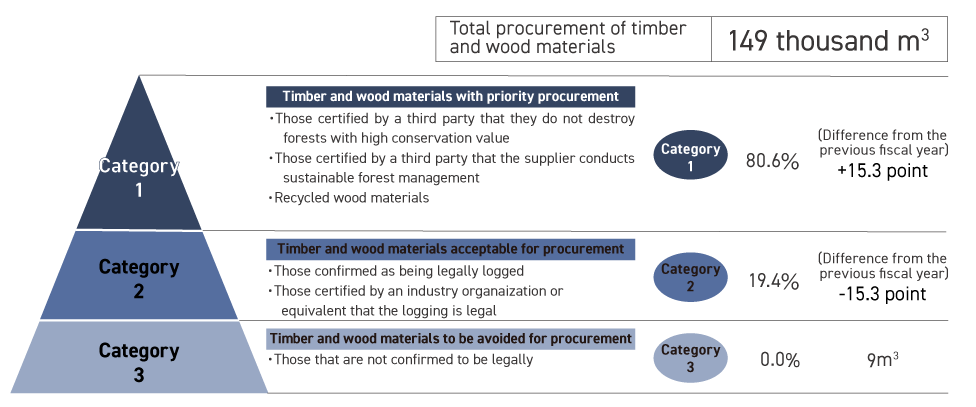
For wood procurement in particular, the Group formulated the Panasonic Group Green Procurement Guidelines for Wood in 2010, following consultations with World Wide Fund for Nature (WWF) Japan, to conserve biodiversity and ensure the sustainable use of resources. Based on these guidelines, the Group surveys its suppliers annually to assess their procurement practices.
In fiscal 2022, discussions with WWF Japan confirmed that requirements for wood procurement were expanding beyond ensuring legality to include environmental and social considerations (human rights). This provided an opportunity for the Group to consider additional procurement measures.
Exclusion of timbers and wood materials whose regulatory compliance in their logging has not been confirmed (Category 3)
The survey results in fiscal 2026 are as follows.
Green Procurement Guidelines for Wood Consulted and Formulated with WWF
Activities for Land Use
Once an ecological network that connects greenery in our business divisions, neighboring woodlands and parks is formed, living things such as birds, butterflies, and dragonflies in each area can move around wider areas for flowers and water through the ecological networks, and their habitats are expanded. Green areas in our business divisions have a lot of potential to contribute to conserving biodiversity in that area.
In particular, hardly any natural environments where wild animals can live and breed remain in urban areas. Therefore, even small areas of green in corporate premises can become a precious habitat of a variety of living things if they have indigenous vegetation and a watery environment.
Acquisition of Eco-Certification Based on Quantitative Evaluation from an external accredited body
Panasonic Corporation Kusatsu site in Shiga Prefecture, obtained an eco-certificate from the Association for Business Innovation in harmony with Nature and Community (ABINC)*1 in March 2018, as a business site for its contribution to biodiversity. In the course of assessment, we received high ratings for how we are making green corridors to be suited to diversified living creatures by appropriately conserving the natural environment, keeping invasive non-native species under proper management by continuously monitoring to understand their status, and the active use of woodland nearby the factory, in liaison with external eco-related organizations and local people, such as the local public bodies and primary school students.
In the monitoring survey we have conducted since 2011, 840 species of flora and fauna were confirmed. At the same time, the survey result has indicated that the woodland is an important biotope in the area where urbanization is taking place, which contributes to the formation of local ecological networks. In addition, our continuing implementation of the environmental learning program on acorns for elementary school students was highly evaluated; and won an Award of Excellence in the 2nd ABINC award held in January 2020, as an 'activity contributing to the biodiversity mainstreaming'.
Starting in October 2024, we have been conducting an academic study and joint research on biodiversity conservation in the Forest of Coexistence in collaboration with Kyoto University and Osaka Sangyo University. Presently, we are studying and researching the forest growth process to understand the impact over a wide area including the surrounding environment.
In February 2026, Panasonic Holdings Corporation (PHD) held a research exchange meeting with three centers in Kyoto University's Ecological Field Science group (the Field Science Education and Research Center, the Center for Ecological Research, and the Wildlife Research Center). Participants exchanged views on identifying research themes that could further contribute to biodiversity and lead to the creation of new businesses by combining the Panasonic Group's technologies with ecological expertise.
In March 2026, the Field Science Education and Research Center, Kyoto University, and PHD entered into a partnership agreement toward realizing nature positive. By combining Kyoto University Field Science Education and Research Center's expertise in long-term, wide-ranging field research with the settings in which PHD conducts its corporate activities, the parties aim to deepen collaboration in areas such as human resource development, research, social contribution, and the conservation of nature and ecosystems, thereby contributing to the development of a sustainable society. At the 73rd Annual Meeting of the Ecological Society of Japan, held in March 2026, the parties presented four research projects concerning the Forest of Coexistence as outcomes of their collaboration. These activities are helping deepen understanding of the ecosystem of the Forest of Coexistence as an urban green space.
[Related link]
<External certifications and awards>
- Acquired three stars under the Shiga Biodiversity Action Certification Program (2018) ; the second certification renewal (March 2026)*2
- Acquired ABINC certification (March 2018) ; the second certification renewal (February 2024)
- Received an Award of Excellence in the 2nd ABINC Awards (January 2020)
*1 ABINC is a certification system by third-party evaluation on greenery improvement and management at business divisions based on the land use score (biodiversity quantitative assessment tool in environmental assessment) and Guidelines for Sustainable Business Sites developed by the Japan Business Initiative for Biodiversity (JBIB).
*2 Shiga Biodiversity Action Certification Program is the first system in Japan for rating wide range of activities conducted by business enterprises in the area of biodiversity conservation with 1 to 3 stars granted by governor.
<Participation in international activities 30by30 Alliance for Biodiversity>
In March 2022, we joined the 30by30 Alliance for Biodiversity which is a global efforts and initiated by Japan's Ministry of the Environment (MoE), to conserve at least 30% of own land as natural environmental area, and at least 30% of own ocean by 2030, as we believed our natural symbiosis woods `Forest of Coexistence' would contribute to the 30by30. In October 2023, our `Forest of Coexistence' was officially certified as `Nationally Certified Sustainably Managed Natural Sites' by the MoE. It is currently listed in the international database as an OECM(*3). The site was also recertified in 2024 as a "Nature Symbiosis Site" under the Act on Promoting Activities to Enhance Regional Biodiversity.
*3 OECM: Other Effective area-based Conservation Measure Areas other than national parks and other already protected areas that would contribute to biodiversity protection, such as shrine or temple woodlands, woodlands owned by companies or which form part of company premises, rural village zones, etc. Japan's 30by30 would include national parks and other protected areas.
"Nationally Certified Sustainably Managed Natural Sites" certification logo mark

ABINC Certification
Three-star rating in Shiga Biodiversity Action Certification Program
SHIGA PREF. BIODIVERSITY
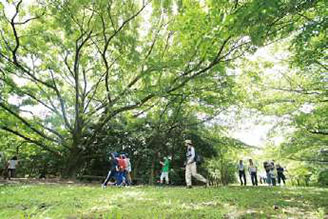
Promoting Biodiversity Conservation on Factory Premises
Development and Use of a Biotope at the Kadoma Site
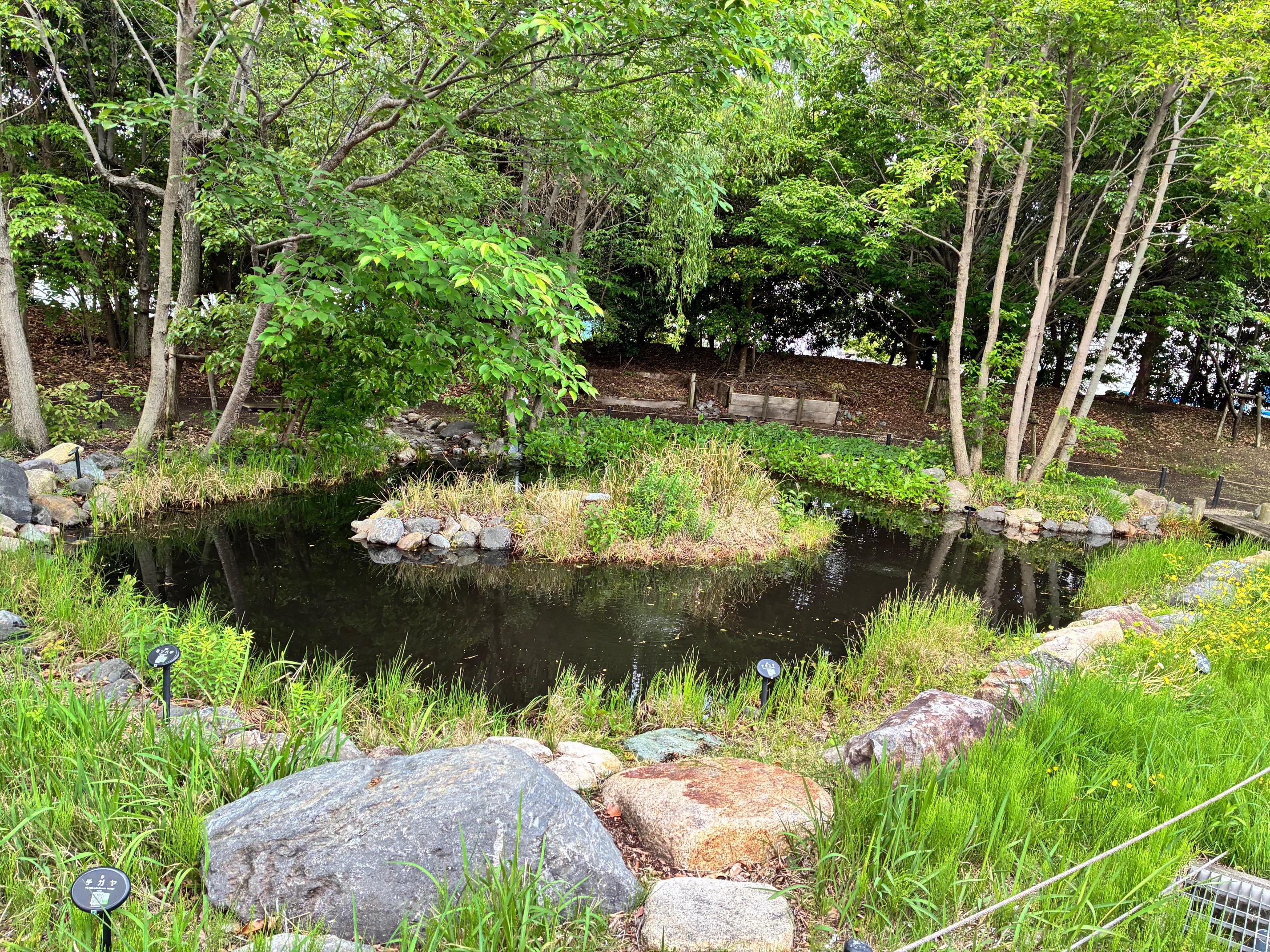
Since 2009, Panasonic Electric Works Co., Ltd. has developed and maintained a biotope on the grounds of its business site in Kadoma, Osaka Prefecture, as part of its biodiversity initiatives aimed at achieving harmony between business activities and the natural environment.
The biotope at the Kadoma Site features a pond, vegetation, and other elements that recreate an environment usable by aquatic insects, birds, and other wildlife. Under the Osaka Biodiversity Partnership Agreement promoted by Osaka Prefecture, the initiative is positioned as a conservation and management activity that utilizes specialist expertise through collaboration with external advisors.
Although the biotope had primarily been managed by employees, activities temporarily slowed due to changes in social conditions. Repair work and management activities resumed in fiscal 2025, and signs of habitat recovery have been observed on the factory premises, including the reappearance of dragonflies and other wildlife.
In addition to serving as a habitat for wildlife, the biotope provides employees with opportunities to experience nature and deepen their understanding of biodiversity. Experiencing the importance of ecosystems through nature in a familiar setting encourages employees to consider the environment in their daily work and decision-making.
Going forward, as part of its nature-positive initiatives, the company will adopt a multifaceted approach that includes organizing and utilizing monitoring results concerning the number of plant and animal species observed and changes in their populations; expanding employee-participation conservation activities and observation opportunities; contributing to ecosystem conservation while considering connections with green spaces and waterways around Kadoma; and using the biotope as a site for proof-of-concept testing in the development of products that contribute to nature positive. Even within the limited space available on factory premises, the company will continue initiatives that help maintain and restore biodiversity.
Initiatives for Products and Services
The Group develops and sells products and services that lead to biodiversity conservation and nature positive future.
Products that Help Reduce Food Waste
Food loss can lead to the production of more food than necessary and place pressure on ecosystems through increased land and water use. By providing products that support the efficient use of food, the Panasonic Group will help reduce food waste, curb resource consumption, lower environmental impact, and contribute to biodiversity conservation.
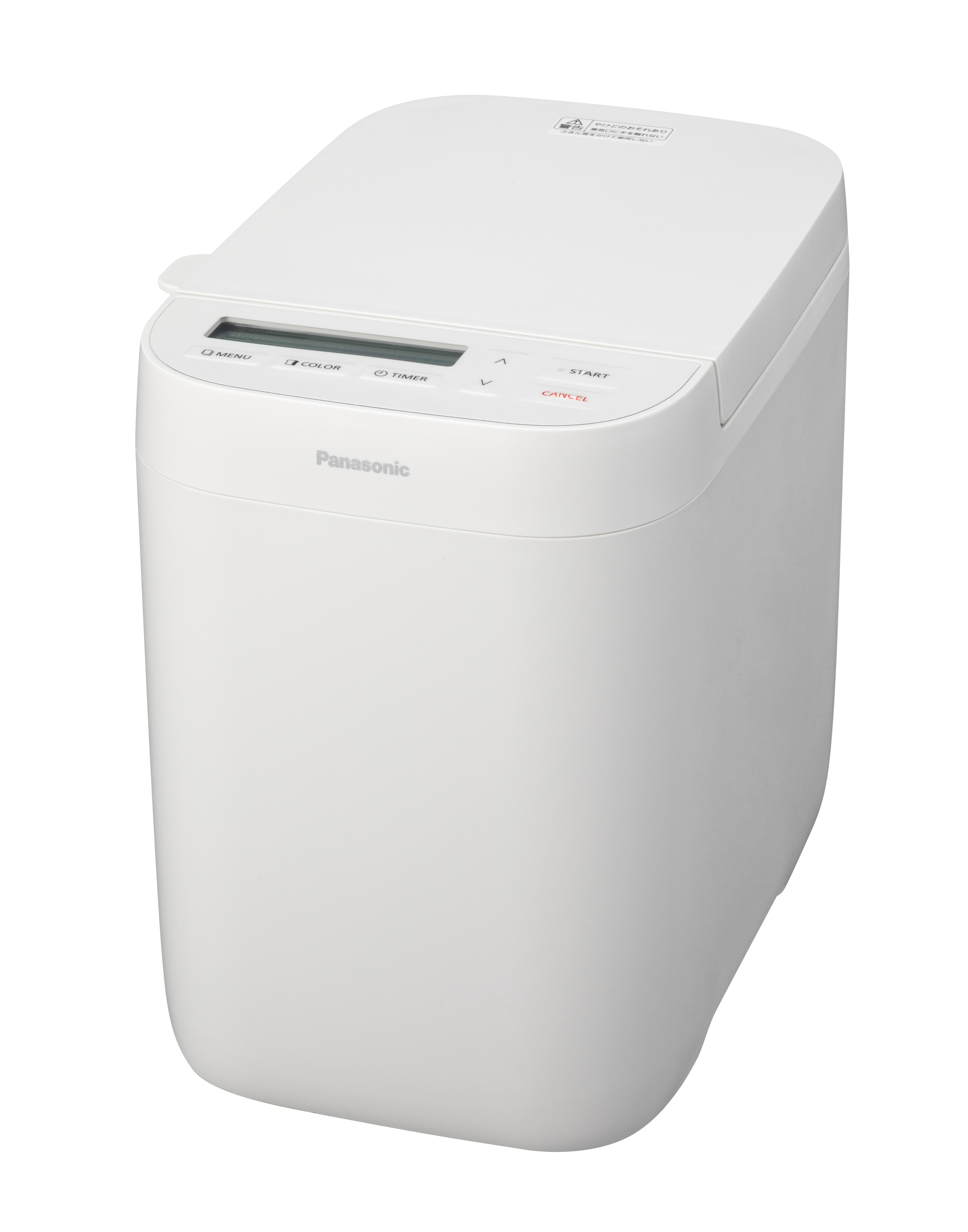
Compact Bread Maker
This home bread maker was developed under the concept of "A just-right serving, "freshly baked" every time / Compact footprint. Delicious results. The industry's smallest*4 compact bread maker." It allows users to prepare an approximately 0.6-loaf*5 portion of freshly baked bread easily at home.
Approximately 0.6 of a loaf*2 is equivalent to three slices from a standard five-slice loaf, providing a freshly baked portion that is just right for a small household of two or three people. Because users can consistently prepare and consume an appropriate quantity without leaving excess bread to be discarded, the product helps reduce food loss in everyday life.
*4 18.8 cm wide × 28.5 cm deep × 24.3 cm high. As of July 3, 2024. Among home bread makers available in Japan (according to Panasonic research).
*5 Equivalent to approximately 0.6 of Panasonic's standard one-loaf size.
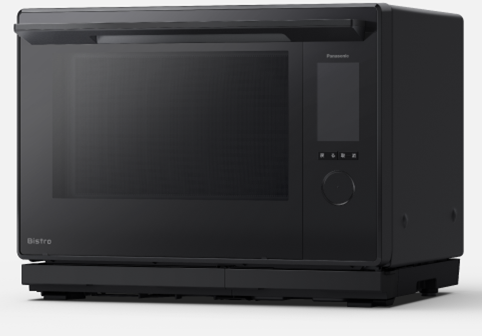
Steam Combination Microwave Oven
This household cooking appliance was developed under the concept of "Cook only as much as you want from the ingredients on hand, without waste." It automatically cooks frozen, refrigerated, and room-temperature ingredients. By reducing cooking failures and the generation of ingredients that cannot be used up, the product helps households reduce food loss without requiring additional effort in their daily lives.
It features "Omakase Grill," which cooks frozen, refrigerated, or room-temperature ingredients without advance preparation, and "One-Bowl Cooking from Frozen." These functions allow users to freeze and make use of leftover ingredients and highly perishable fresh foods more easily, thereby reducing food disposal.
Sensors automatically identify the quantity and condition of ingredients and control the heating time and intensity accordingly. Because users can cook only the quantity available without relying on recipes or measuring ingredients, the appliance helps address a common cause of household food loss: preparing too much food and leaving uneaten portions.
Automatic control combining the Heat Grill Pan with multiple heating methods produces consistent results without requiring food to be turned over. By reducing dishes that must be discarded because of uneven heating, burning, or other cooking failures, the appliance limits food loss during the cooking process.
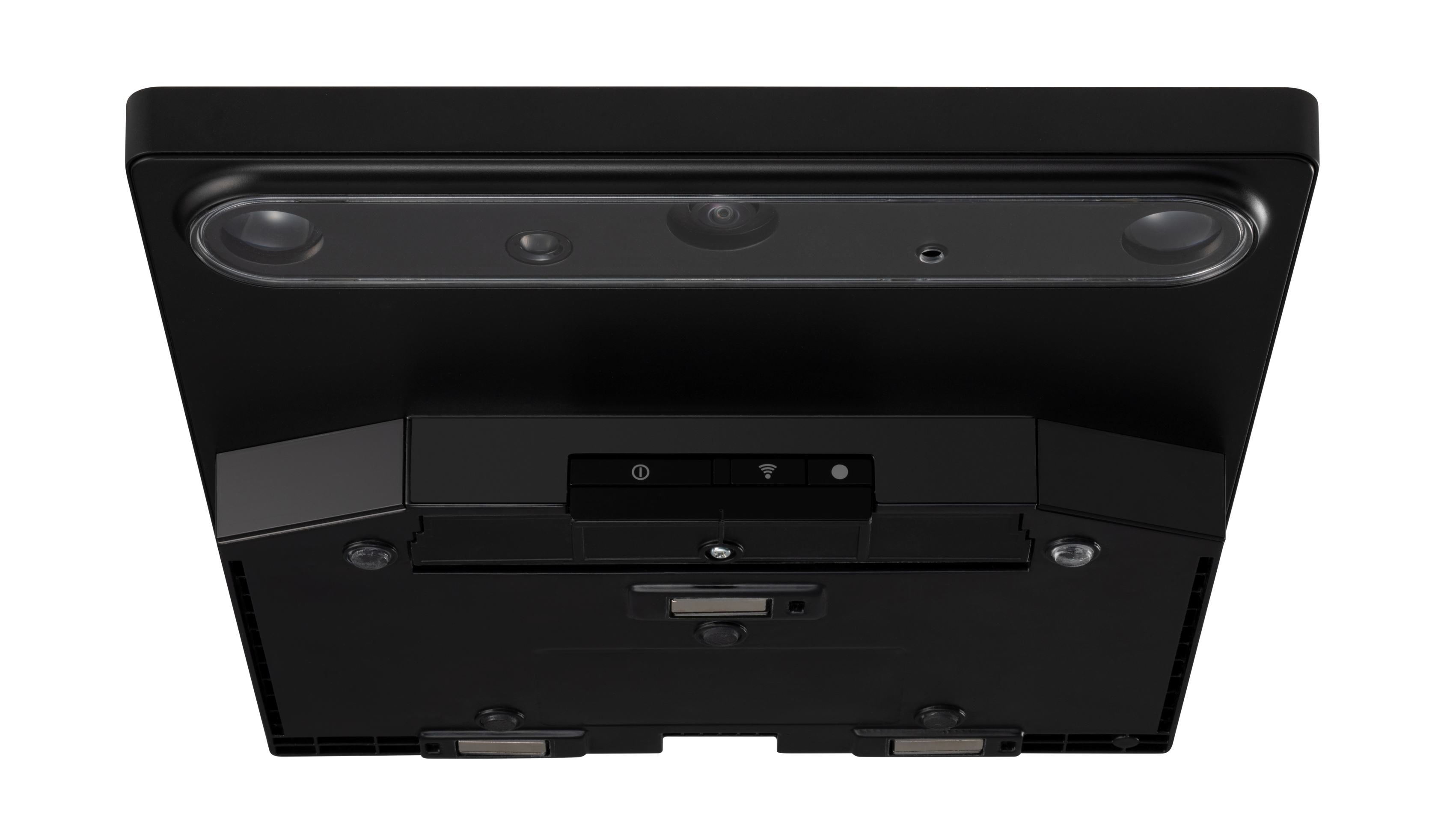
Refrigerator AI Camera NY-PCZE2
Installing the Refrigerator AI Camera in a compatible Panasonic refrigerator*6 makes the contents visible remotely. The product uses two cameras — one wide-angle and one narrow-angle telephoto camera — to photograph the shelves and door pockets of the refrigerator compartment, as well as the vegetable and freezer compartments. Users can check the contents while away from home. This helps prevent duplicate purchases and forgotten items, thereby reducing food waste. AI also analyzes images of the vegetable compartment and automatically identifies the types of vegetables and the dates on which they were placed in the refrigerator, helping users consume them at the appropriate time. By linking with the "KitchenPocket" app and recommending recipes based on ingredients that should be used, the product further contributes to reducing food loss.
Microwave convection ovens
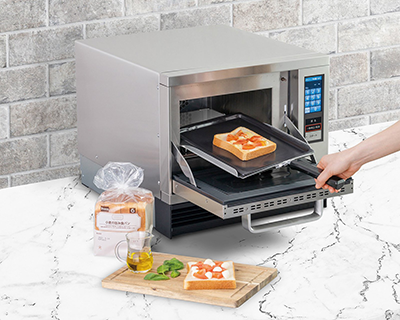
It is difficult for cafes and other restaurants to expand their light meal take-out menus due to problems such as sales forecasting difficulties, food waste, and labor shortages. Panasonic, in collaboration with Pasco Shikishima Corporation (Pasco), has developed a special cooking program and menu. We are offering food solutions for restaurants by combining our microwave convection ovens with Pasco's baked then frozen breads and pastries. Our original technology eliminates the natural thawing process, which normally takes about two hours, and produces fresh-baked deliciousness in a short amount of time straight from the frozen state. This eliminates the need to defrost bread in advance based on the predicted number of visitors, contributing to the reduction of food waste.
Automatic measuring IH rice cooker
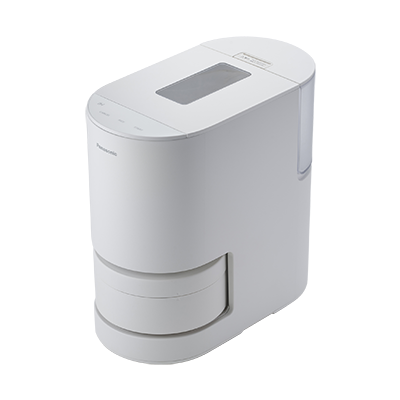
This product incorporates our proprietary measuring and IoT technologies, and is the first in the industry to realize a fully automated process from measuring and pouring rice and water to cooking the rice. In addition, by linking with the dedicated app, you can set the amount of rice cooked (from 0.5 to 2 cups, in units of 0.5 cups) and the time the rice should finish cooking, all while out of the house. This dramatically reduces the time and effort involved in cooking rice, including measuring rice and water, and can handle sudden schedule changes. Cooking only the necessary amount of rice and finishing up the freshly cooked rice also contributes to reducing food loss. In addition, by proposing a style that encourages the rice to all be eaten, this model does not include a heat retaining function, resulting in energy savings of approximately 65% compared to standard 2-cup rice cookers.
Other products that contribute to biodiversity
Cellulose fiber resin "kinari": Development and Product Application of Materials Designed with Biodiversity in Mind
The MoE officially announced its Transition Strategies toward a Nature Positive Economy in March 2023. Our cellulose fiber resin 'kinari' (55 - 90% natural fiber content) was featured in the collection of reference materials titled "Case studies: Upcycling biomass (including wastes) and other materials to replace plastics." provided in the announcement.*7
Panasonic is also developing fully biodegradable materials. In fiscal 2023, it developed a soil-degradable molding material incorporating plant-derived biodegradable resins (such as polylactic acid).*8
In 2025, Panasonic also developed a marine-biodegradable material (made from 95%–100% natural raw materials) that is decomposed into water and CO2 by microorganisms in marine environments. The material obtained the Marine Biodegradable BiomassPla certification mark from the Japan BioPlastics Association.*9
Through these initiatives, Panasonic is promoting corporate activities aimed at realizing a sustainable society while applying technologies and materials that reduce resin use to its products.
-
*7 Transition Strategies toward a Nature Positive Economy & collection of reference materials (In Japanese)

-
*8 Development of Fully Biodegradable Cellulose-Fiber Molding Material (In Japanese)

-
*9 Development of a marine biodegradable cellulose fiber molding material (In Japanese)
-
'Kinari' is featured on here


Mold sample of 'kinari'
"Bio-CO2 transformation" that stimulates and helps plant growth (product name: Novitek)
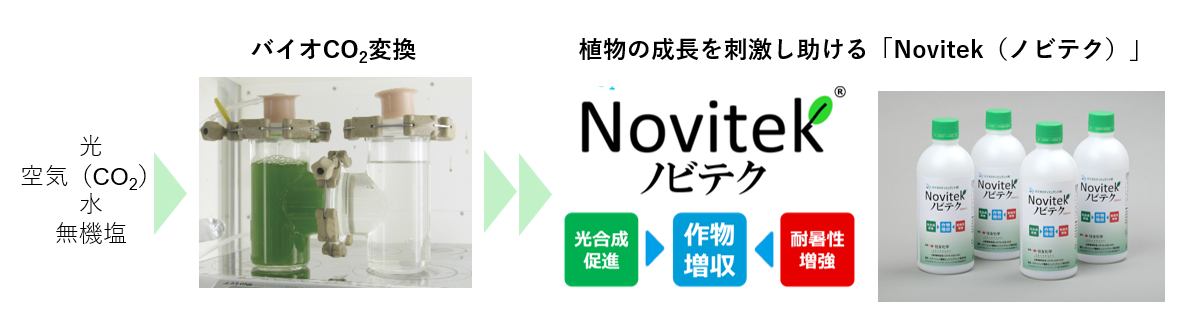
Panasonic Holdings Corporation (PHD) is working toward the commercialization of Novitek, a biostimulant*10 that uses biomolecules to promote plant growth and was developed through co-creation with Sumitomo Chemical Company, Limited. By applying the photosynthetic functionality of cyanobacteria to produce biomolecules made from CO2 as a raw material and then spraying those on the leaves of agricultural crops, Novitek can increase yields and promote growth. This effect has been demonstrated on farmland throughout the country. For example, there has been a confirmed increase in spinach yields of 40.9%. Sumitomo Chemical, Panasonic's collaboration partner, began selling Novitek in April 2026. PHD is cooperating in this effort, contributing to sustainable growth in the agricultural sector.
*10 "Biostimulant" is a general term for various substances and microorganisms that provide plants and soil with better physiological conditions.
Release
Mushi Keeper Outdoor LED Insect-Attracting Device Contributes to a Lighting Environment That Considers Insect Ecology
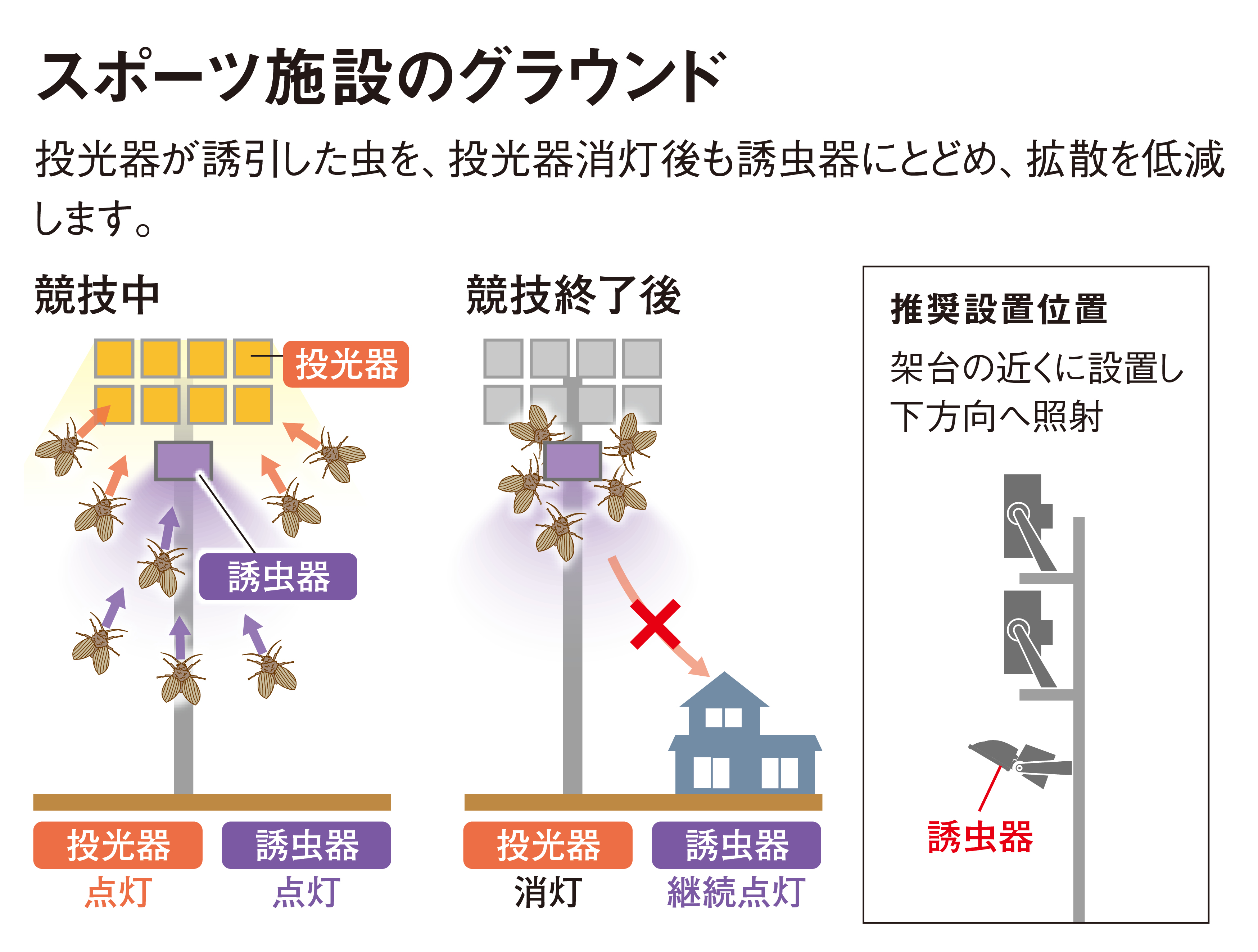
While nighttime lighting supports people's safety and convenience, concerns have been raised about its effects on the behavior of insects attracted to light and on ecosystems. To address these issues, the Mushi Keeper outdoor LED insect-attracting device uses ultraviolet and blue-spectrum light, to which insects are readily attracted, to retain insects that have gathered around nearby lighting in a designated location. This reduces their entry into and dispersal throughout buildings and human living spaces.
Rather than killing insects like conventional electric insect killers, the product is designed to understand and control insect behavior. This avoids unnecessary killing, limits effects on ecosystems, and helps reduce operational issues such as cleaning requirements and noise.

A non-insecticidal pest-control device
Attracts insects with LED light to reduce dispersal
Efforts in packaging materials
The Panasonic Group works to balance customer convenience with environmental considerations based on product characteristics and the ways in which packaging materials are used. The Group reviews packaging specifications for each product and reduces environmental impact by lowering the use of plastics such as expanded polystyrene and adopting reusable packaging while maintaining the performance necessary to transport and protect products. The Group believes that reducing and optimizing resource use in packaging materials also helps reduce impacts on biodiversity by limiting the environmental burden associated with raw-material procurement and disposal.
Panasonic Connect Group Products
Panasonic Connect strives to balance customer convenience with environmental considerations based on product characteristics and actual usage. We continually review the packaging materials used for each product. For certain products, we are switching from foamed plastic to paper-based materials and increasing the use of recycled materials to reduce environmental impact. Recognizing that printed materials enclosed with products, such as operating instructions, may be discarded without ever being used, we are also reviewing how information is provided based on the principle of delivering the necessary information in the form in which it is needed. By digitizing information and enhancing integration with the Web, we are reducing printed materials. We will continue working to optimize information provision in a manner that balances customer convenience with environmental considerations.
LCD Laser Projector Example
PT-VMZ82 Series
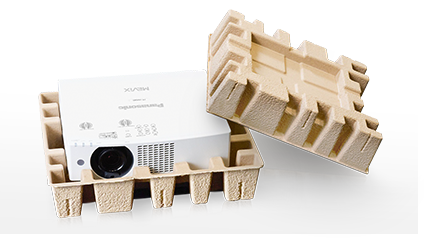
| Recycled Materials Used in Packaging |
Replacing expanded polyethylene (EPE) cushioning with paper trays helps reduce the environmental impact of businesses and schools.
Product Information: PT-VMZ82 Series (In Japanese)
(No information about the packaging is provided on this product page.)
Let's note and TOUGHBOOK Examples
[Japanese model] CF-SR4/CF-QR4 Series
FZ-40[E/F/G/H] Series
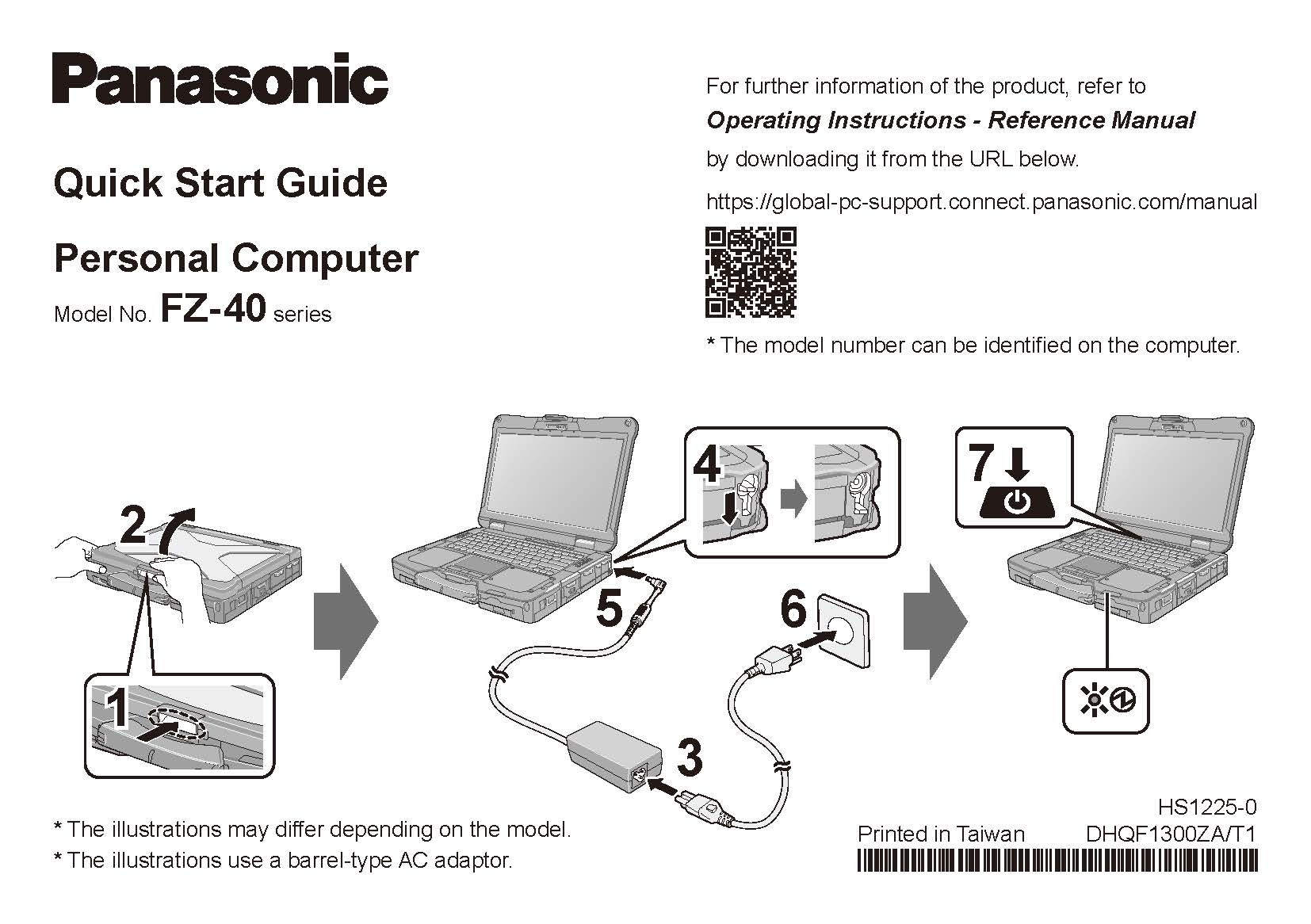
| Promoting Digitization to Significantly Reduce Printed Materials |
Reduction in Printed Materials (By weight)
Let's note: Approximately 90% reduction (compared with FY2023)
TOUGHBOOK: Approximately 60% reduction (compared with FY2024)(Based on our research)
Product information: FZ-40J Series (In Japanese)
Guide to Digitizing Operating Instructions (In Japanese)
Panasonic Electric Works Co., Ltd. Products
Under 'Archi Design', a design philosophy incorporating environmental considerations, Panasonic Electric Works Co., Ltd. is working to reduce the resources used in packaging materials, operating instructions, and other materials.
These initiatives have been adopted for various products, primarily electrical construction materials and living energy products.
Archi Design https://www2.panasonic.biz/jp/archidesign/ (In Japanese)
Packaging Initiatives

| By optimizing the information displayed on packaging materials, we will reduce the printed area. We will also standardize packaging specifications to improve loading and transportation efficiency, thereby reducing environmental impact. |
Information: Archi Design—Our Target Concept (In Japanese)
Initiatives for Operating Instructions
and Other Materials

| We aim to reduce paper and ink use by digitizing operating and installation instructions. Allowing users to access information through QR codes will also help improve convenience at installation sites. |
Information: Archi Design—Our Target Concept (In Japanese)
Panasonic Corporation Products
Beauty Product Example
[Japanese model] ES-WF63
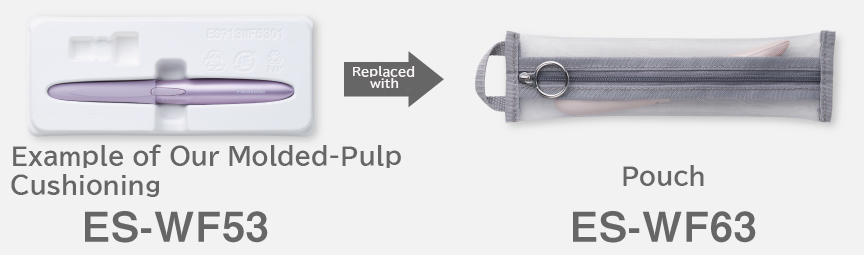
| As part of its environmental initiatives, Panasonic reviewed the conventional use of disposable cushioning and adopted packaging designed to reduce the amount of cushioning material used. |
Product Information: ES-WF63 (In Japanese)
Hair Dryer Example
[Japanese model] EH-NAOJ-H
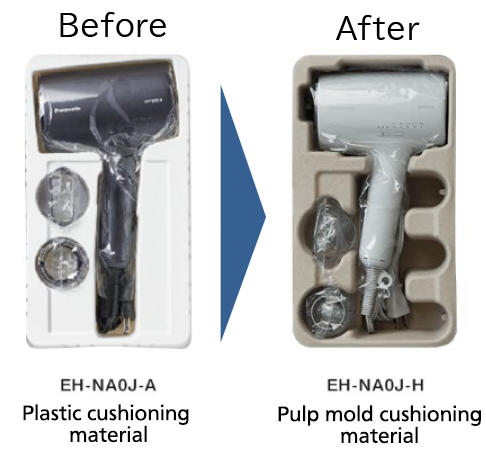
| Pulp molding reduces plastic use by approximately 95%*11 |
*11 Comparison of plastic consumption in total packaging materials with our EH-NA0J-A launched in 2022 (in-house research)
Product information: EH-NAOJ-H (In Japanese)
Drum Washing Machine Example
[Japanese model] NA-LX129D
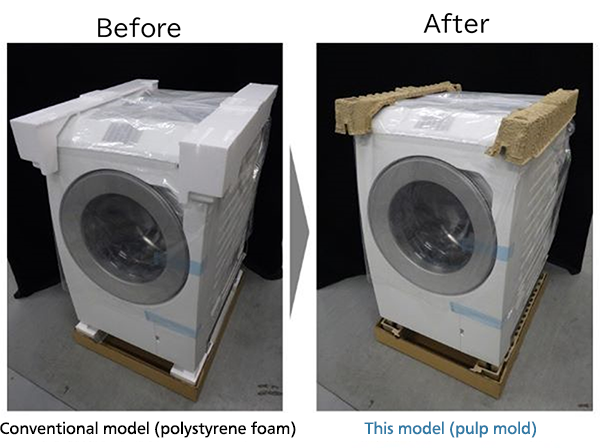
| Eliminated polystyrene foam packaging through pulp mold development*12 *12 Through simulations at the design stage and tests using actual machines, we developed a pulp mold capable of transporting large products weighing over 80 kg. This makes it possible to eliminate polystyrene foam packaging for large home appliances. |
[Reference] Association for Electric Home Appliances product introduction: 2024-13.pdf (In Japanese)
Microwave Oven Example
[European model] NN-DF38
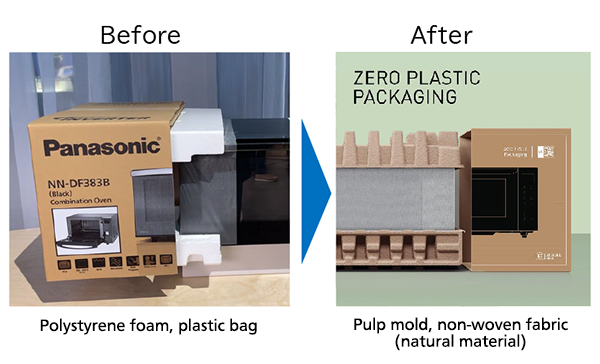
| "ZERO PLASTIC PACKAGING" Full elimination of plastic packaging using pulp mold and non-woven fabric (natural material). |
Product information: NN-DF38
Cleaner Example
[Japanese model] MC-NS10KE
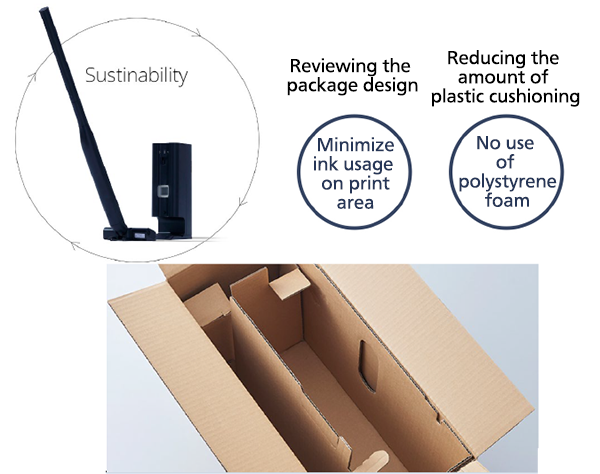
| Eliminated polystyrene foam packaging by reducing the use of plastic cushioning materials |
Product information: MC-NS10KE (In Japanese)
| [MC-PB60J] Won an award with the "JAPAN PACKAGING CONTEST 2024" GOOD PACKAGING "Eco-Friendly Package for Stick Type Vacuum Cleaner" • Tapeless sealing of the outer packaging • Use of cardboard as a cushioning material and reducing the amount of cardboard used • Reducing volume through an improved layout |
[Reference] MC-PB60J package introduction by the Japan Packaging Institute: Japan Packaging Contest 2024 (In Japanese)
Single-lens Camera Example
[Japanese model] LUMIX DC-S1RM2
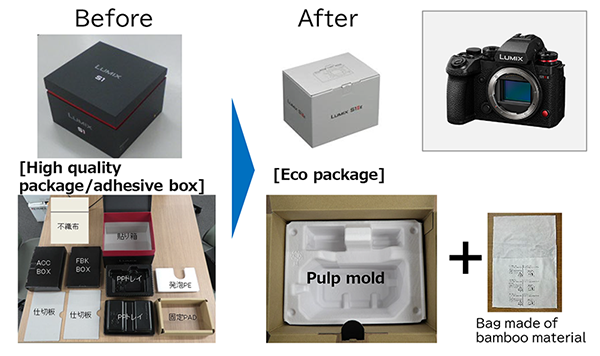
| Eliminated plastic packaging and reduced amount of packaging materials used |
- Reduced the number of packaging parts by 70% compared to the previous model
- Reduced the amount of plastic material used by 95%
- Pulp mold and bamboo materials are used to reduce environmental impact
- Reduced the amount of paper and corrugated cardboard used by 67%
- Reduced the volume of individual packaging boxes by 36% compared to the previous model
- Universal USB cable and AC adaptor not included
(Compared with previous model DC-S1R, in-house research)
Product information: DC-S1RM2 (In Japanese)
Contributing to Environmental Conservation through Product Use and Sales
Creating Environmental Value through the Use of Energy-Efficient Products and Returning That Value to Biodiversity Conservation
Panasonic HVAC & CC Co., Ltd. promotes the Air Conditioner Environmental Contribution Program as a mechanism that connects household energy conservation not only with climate change measures but also with the conservation and restoration of biodiversity. Under this program, reductions in CO2 emissions achieved through the use of energy-efficient Eolia room air conditioners are converted into J-Credits certified by the Japanese government. In fiscal 2026, environmental contribution activities supporting the conservation and restoration of the natural environment—including tree planting and satoyama restoration—were conducted as part of the program. Through this initiative, Panasonic aims to create a cycle in which the environmental value generated by household energy-saving behavior is returned to concrete initiatives that conserve forests and ecosystems.
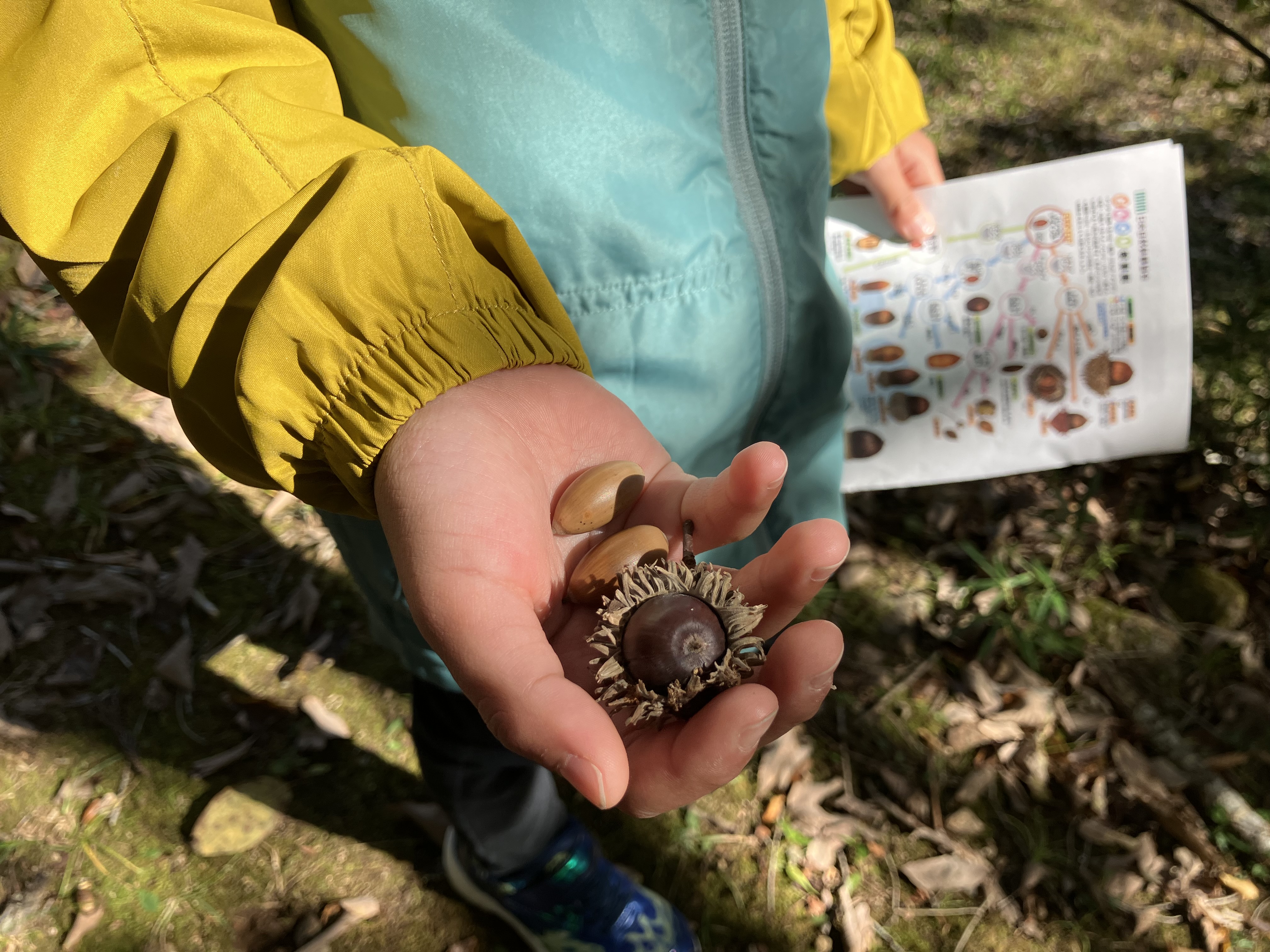
The Beginning of the Forests and Air That Future Generations Will Inherit
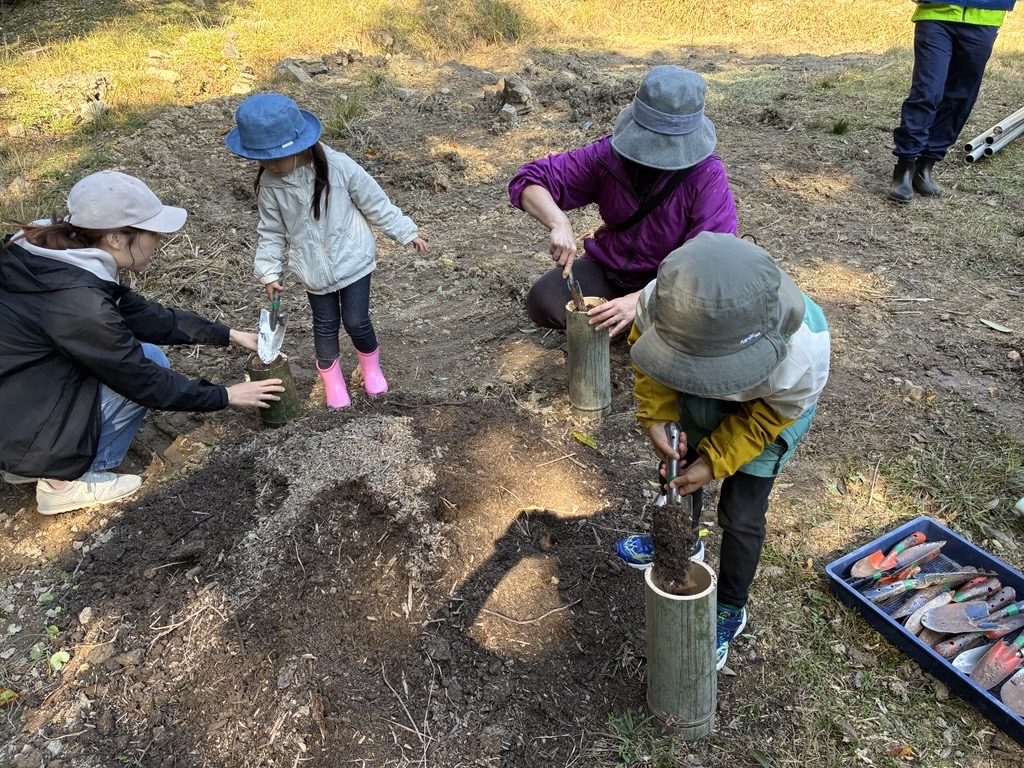
An Environmentally Friendly Seedling-Planting Experience Using Natural Bamboo Pots
Donations to NGOs, NPOs, and Other Environmental Organizations
Donating a Portion of Sales from nanocare Hair Dryers to Environmental Organizations
(Eligible models: EH-NA0J and EH-NA0K)
Panasonic Corporation continues to donate a portion of sales from environmentally conscious nanocare hair dryers—which reduce plastic use in the main unit and packaging and incorporate biomass paint—to organizations engaged in environmental conservation, including efforts to reduce marine plastic waste and conserve marine biodiversity. Since September 2023, Panasonic has supported Earthwatch Japan, the Arakawa Clean-aid Forum, and the Nature Conservation Society of Japan. These funds are used for activities including river and coastal cleanups, conservation initiatives, research on marine ecosystems, and environmental education. In addition to making donations, Panasonic provides opportunities for employees and their families to participate proactively in the environmental conservation activities conducted by these organizations, thereby improving their understanding and awareness of biodiversity.
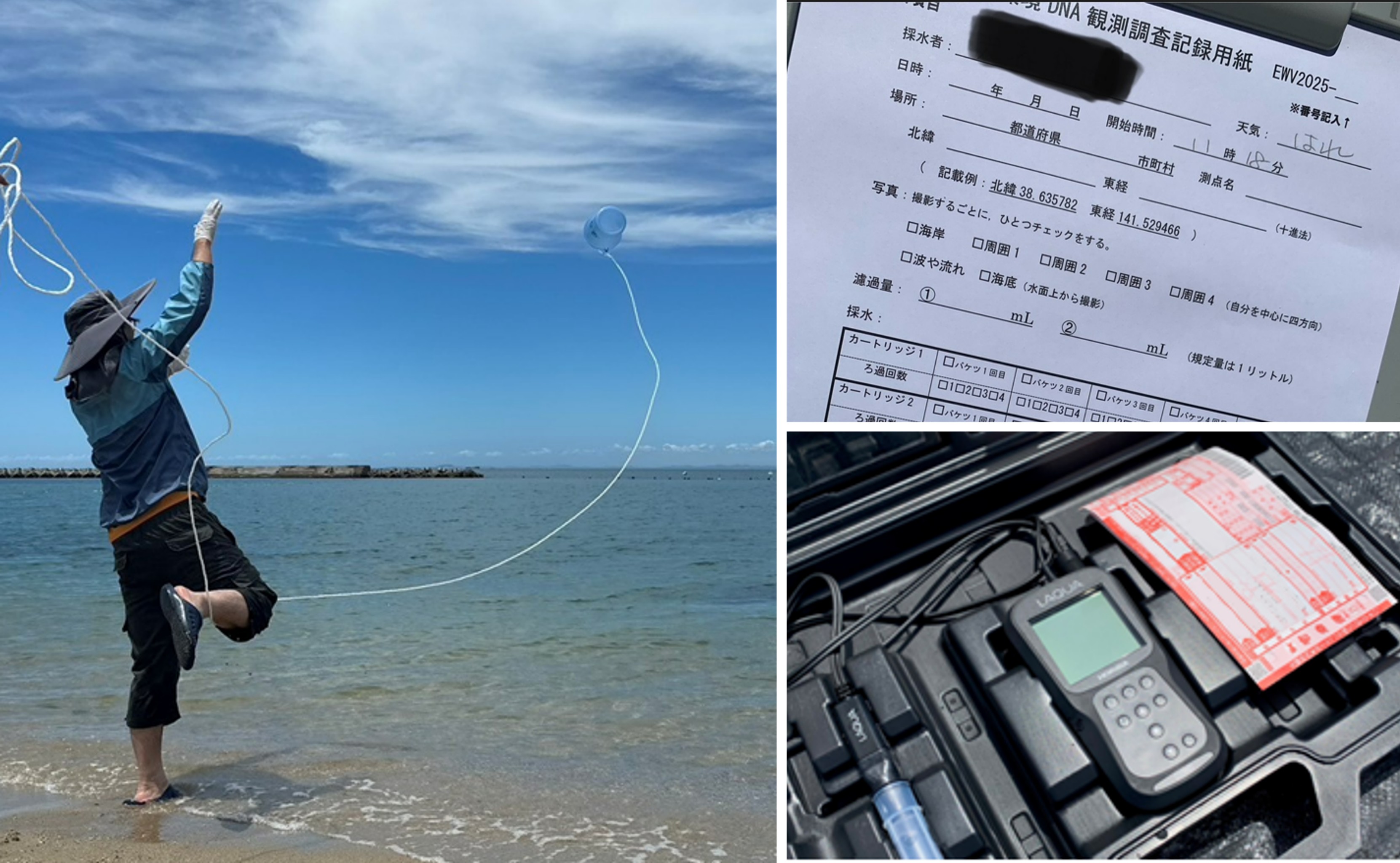
Employees Participate in a Fish Survey Project Using Environmental DNA
Donating a Portion of Sales from the Separate-Type Cordless Stick Vacuum Cleaner to Environmental Organizations
(Eligible model: MC-NS10KE)
Through the environmentally conscious MC-NS10KE separate-type cordless stick vacuum cleaner, which incorporates recycled plastic in the main unit and eliminates expanded polystyrene from its packaging, Panasonic Corporation is promoting initiatives that contribute to biodiversity conservation and the development of the next generation. A portion of sales from the product is donated to environmental conservation activities and supports the Junior Eco-Club program promoted by the Japan Environment Association. Junior Eco-Club is a nationwide initiative that gives children opportunities to experience, study, and protect nature and wildlife in their communities. Its purpose is to foster respect for nature, develop children's ability to think and act independently to solve environmental problems, and expand networks of local environmental conservation activities. By supporting these activities, Panasonic contributes to building the foundations of a society in which people live in harmony with nature while creating a mechanism through which product purchases support biodiversity conservation in customers' communities.
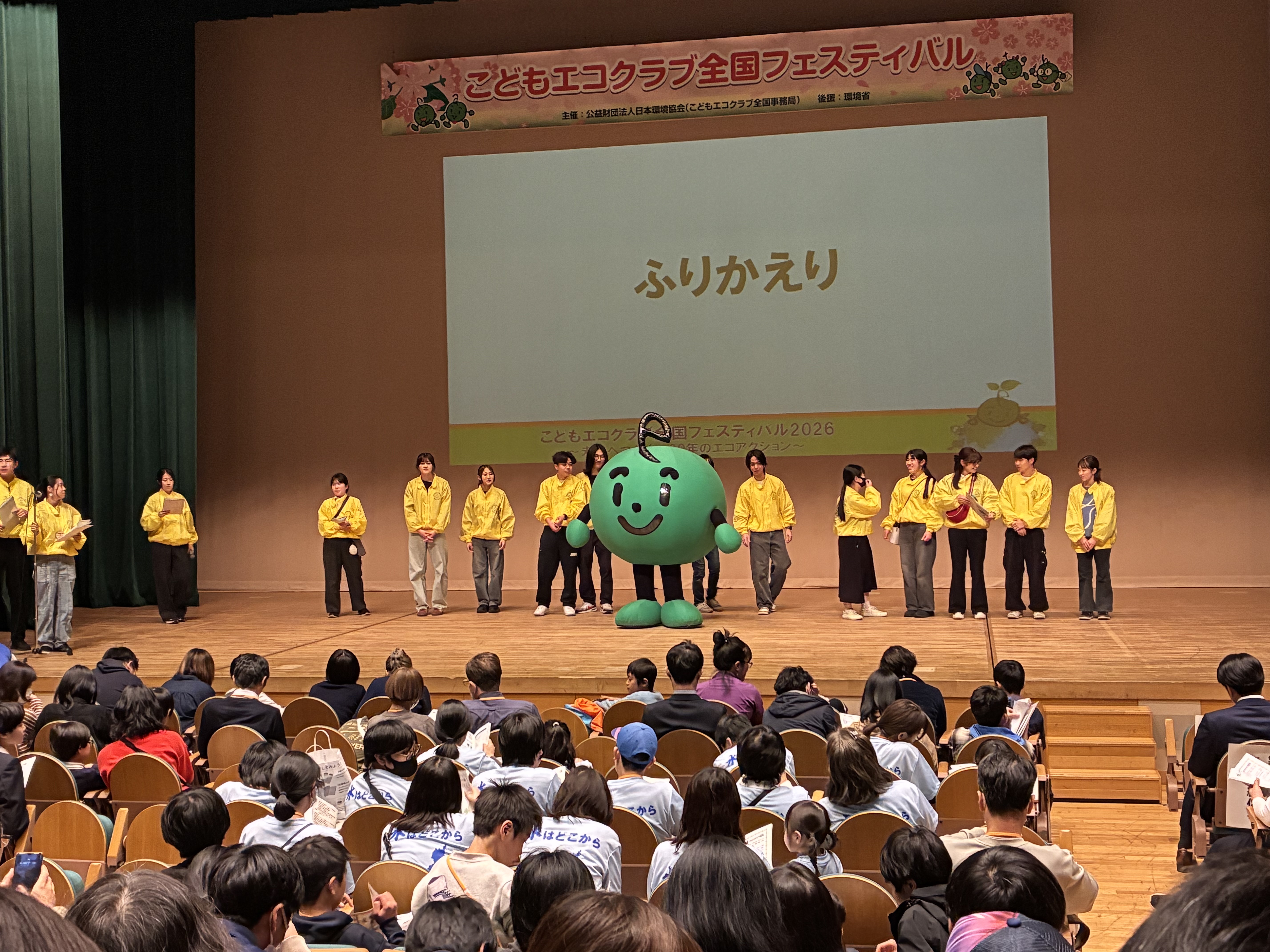
Junior Eco-Club National Festival 2026
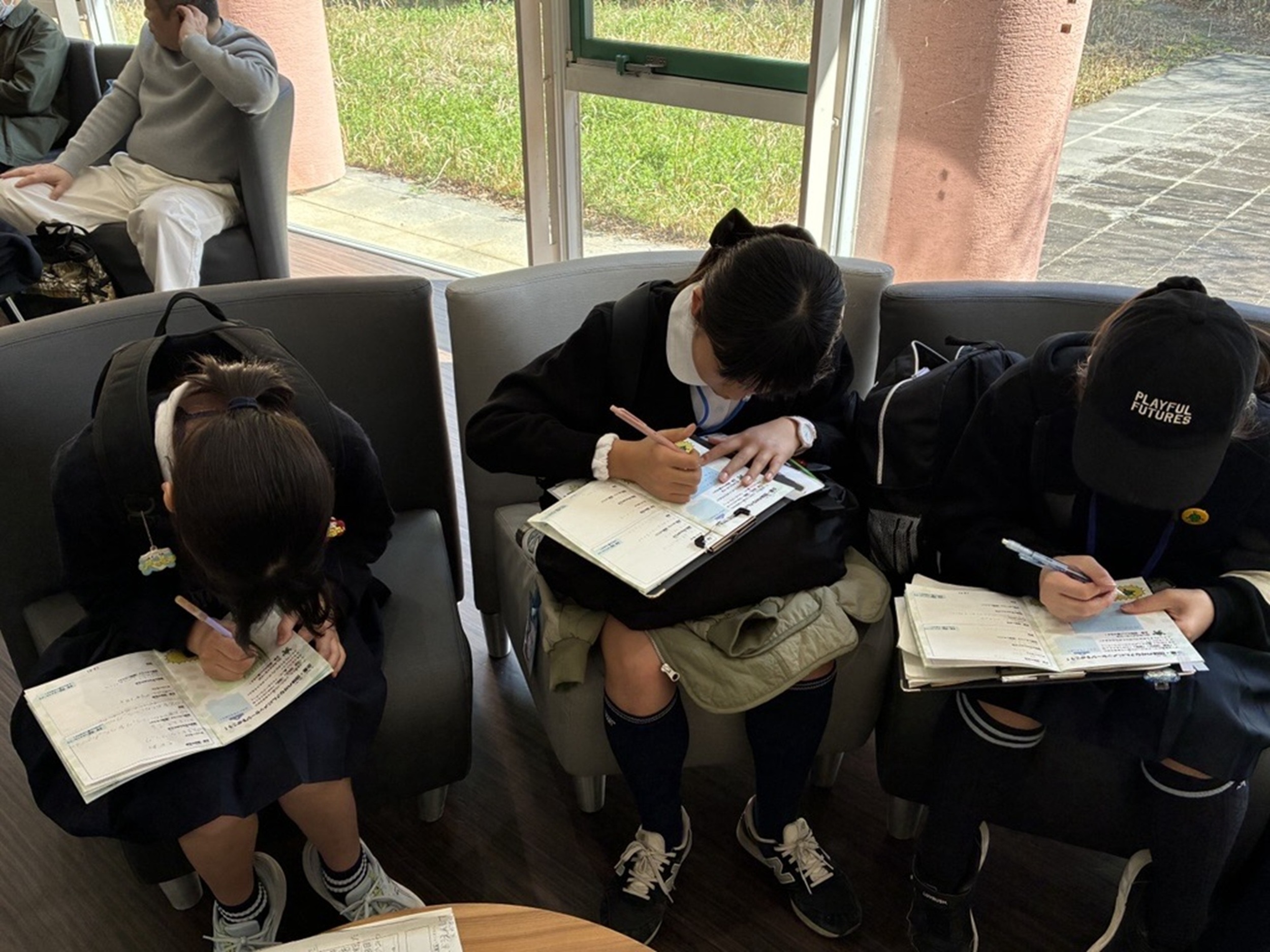
Children Using Field-Research Notebooks Produced with Panasonic's Support
Conservation of Biodiversity through Collaboration with and Support for NGOs, NPOs and Venture Corporation
Introduction of MSC-ASC certified sustainable seafood at employee canteens
For more than 20 years, the Panasonic Group has conducted activities to conserve marine biodiversity through support for and collaboration with WWF Japan,*13 donations to NPOs and other organizations, and employee-participation environmental conservation activities. Main activity at present is continual supply of MSC and ASC certified*14 sustainable seafood*15 to employees' cafeterias that started for the first time in Japan at Panasonic headquarters in March 2018. For now, the situation remains difficult for the activity, e.g., some cafeterias had started serving sustainable seafood forced to stop serving the sustainable seafood due to the decreased number of employees using cafeterias as the number of employees working from home increased, and impact of price hike. As difficulties continued, sustainable seafood was introduced to the Panasonic Group sites this year, making an accumulated total of 57 sites. The initiative continues to face difficult circumstances. Fewer employees are eating at company cafeterias because of attendance patterns associated with remote work and other factors, while rising prices have forced some participating sites to discontinue the relevant menu items. Nevertheless, the Group has continued initiatives originating from the Yellow Sea Ecoregion Support Project,*16 including serving MSC-certified clams in employee cafeterias. As of the end of March 2026, more than 163,000 meals had been served cumulatively.
By expanding availability of sustainable seafood such as serving it at corporate cafeterias, conducting awareness-raising activities periodically and continuously for employees and the next generation about sustainable seafood and the IUU fishing issues*17 , and facilitating transformation of behaviors of our employees and the public at large as consumers through communication via media, and the like, we contribute to `SDG 14: Life below Water'and promotes to make the topic of biodiversity mainstream.

Cumulative total of sites offering the menu exceeded 50
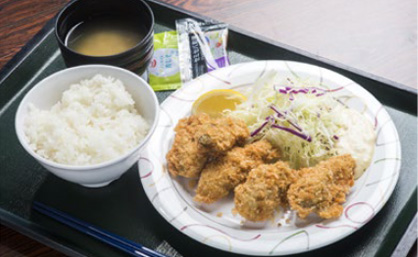
Fried oysters using Japan's first ASC-certified oysters from Togura in Minamisanriku, which the Group also supported.
<External awards>
- Champion in the Initiative Category of the 1st Japan Sustainable Seafood Awards (November 2019)
*13 Including supports for the conservation of the tidal flats in Ariake Sea (2001 to 2006) the Yellow Sea Ecoregion (2007 to 2015), and the reconstruction of aquaculture industry in environmentally friendly manner at Minami Sanriku, Tohoku (2014 to 2024).
*14 MSC certification is certified by Marine Stewardship Council for sustainably and properly managed fisheries. ASC certification is certified by Aquaculture Stewardship Council for responsible fish farming to minimize environmental load on the environment and society.
*15 Seafood that has been certified sustainable production with MSC and ASC certification and managed under CoC certification*18
*16 To conserve the nature of the Yellow Sea, a global diversity treasure, WWF Japan launched the "Yellow Sea Ecoregion Conservation Program" in April 2002, and in September 2007 the "Yellow Sea Ecoregion Support Project" started with the support of then Panasonic Corporation
*17 IUU fishing issues: Fishing that is illegal, unreported and unregulated. It is one of the international issues that threaten the effectiveness of resources management.
*18 CoC is the acronym for Chain of Custody. Certification on securing management and traceability in processing, distribution, and marketing.
Tackling social issues through collaboration with venture businesses
Panasonic Holdings Corporation (PHD) and SEA VEGETABLE COMPANY have concluded a joint demonstration agreement aimed at resolving social issues such as biodiversity conservation, the food supply problem and CO2 reduction through seaweed cultivation.
This project combines PHD's robotics and IoT technologies with the seaweed cultivation technology at SEA VEGETABLE for a collaborative review of its feasibility, aimed at reducing the environmental impact and stabilizing food supplies. On November 26, 2024, PHD also began regularly and continuously serving seaweed farmed by Sea Vegetable Company in its employee cafeterias. As one of the Friendly Menu options designed with health and the environment in mind, the initiative has expanded to employee cafeterias at 31 Group sites. In addition to informing employees about the current state of biodiversity and challenges facing the fisheries industry, the initiative promotes understanding of nature positive and encourages behavioral change.
-
Panasonic HD and Sea Vegetable Sign Joint Demonstration Agreement to Explore the Potential for Addressing Social Issues through Seaweed Farming (In Japanese)
-
Panasonic HD Begins Regular and Ongoing Provision of Sea Vegetable's Farmed Seaweed at Employee Cafeterias—Promoting Understanding of and Behavioral Change toward Nature Positive (In Japanese)
-
Changing Awareness and Behavior through the "Friendly Menu," Meals Designed with Health and the Environment in Mind (In Japanese)
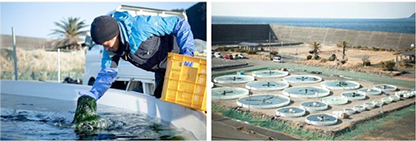
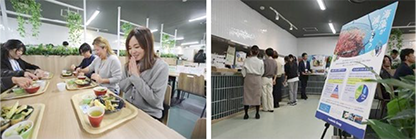
Promotion of activities for conservation of biodiversity around the world through NGOs and NPOs
Continuing protecting satoyama and rivers through citizen networks
The Panasonic Group companies located in Japan, and their labor unions and retiree association conduct a variety of environmental protection activities as Panasonic ECO RELAY Japan (PERJ) in a one team.
Since its foundation in October 2010, PERJ has been working with a variety of stakeholders*19 to conserve local environments through efforts such as Hirakata City Hotani Satoyama Conservation Activity; Tanba Sasayama City Unitopia Sasayama Satoyama Revitalization Activity; Kadoma City Eco Network Activity; and Osaka City Yodo River and Johoku Wand*20 Conservation Activity. During these years, we have received the following awards in recognition of our contribution to nurturing the next generation to act for the environment under collaborations with local companies, universities, and citizen groups. In our work to contribute to a sustainable global environment and society, we will continue activities that lead to the conservation of biodiversity and satoyama focusing on 'forests', 'greenery areas' and 'water'.
<External awards>
- Hirakata City Environment Award (February 2018)
- Biodiversity Action Grand Prize (December 2018)
- Kadoma City Environment Award (February 2019)
- Osaka City Environment Award (February 2020)
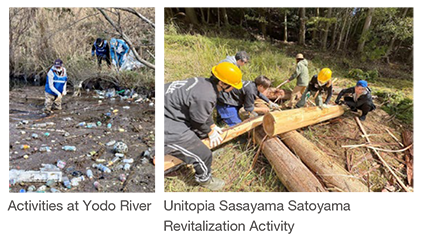
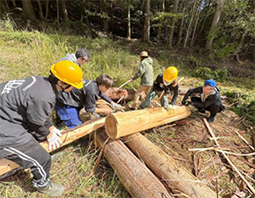
Unitopia Sasayama Satoyama
Revitalization Activity
The Satoyama Restoration Area at Unitopia Sasayama, where Panasonic has worked with volunteers to restore satoyama landscapes since 2012, has been certified as a Nature Symbiosis Site under an initiative promoted by the MoE, following the Forest of Coexistence at the Kusatsu Site. It has also retained its certification under the system established by the Act on Promoting Activities to Enhance Regional Biodiversity, which came into force in 2025.
Nature Symbiosis Site certification was previously operated primarily as an administrative initiative of the MoE to evaluate and certify privately owned forests, satoyama landscapes, and other sites that contribute to biodiversity conservation. The Act on Promoting Activities to Enhance Regional Biodiversity has developed this into a statutory system under which the national government certifies not only the conserved sites themselves but also activity plans for the continuous protection and enhancement of nature in local communities. The system provides institutional support for long-term biodiversity conservation activities by companies and local organizations.
The Woodland Revitalization Activity is managed for biodiversity conservation, utilizing the woodland environment located inside the corporate recreation area. The principal features of the area that led to certification are the presence of diverse biota, including rare species, its use as a venue for environmental education and installation of a monitoring system.
The Satoyama Restoration Area makes use of the natural environment surrounding a facility operated by the Federation of Panasonic Group Workers Unions. It provides employees, their families, retirees, local residents, students interested in nature, and research institutions with opportunities to experience nature and develop a shared appreciation of it. By protecting and enhancing the satoyama landscape together with the local community, the initiative shares the value of biodiversity and helps pass it on to future generations.
The presence within the Panasonic Group of these two Nature Symbiosis Sites—a forest on company premises and a satoyama landscape existing in harmony with its local community—demonstrates that Panasonic regards coexistence with nature as part of its corporate activities and is sincerely working toward realizing nature positive. The Group will continue working with local communities on biodiversity conservation, satoyama conservation, and environmental education while maintaining its respect and appreciation for nature.
*19 Wand is terrain just like a small pond surrounded by river structures, although Wand is connected to a mainstream of the river. Wand provides stable habitats for fish and other aquatic life, and at the same time, it is breeding grounds for a variety of plants.
*20 Collaborating with numerous stakeholders, including NPOs, citizen groups, universities, administrative bodies, local governments, research institutes, corporations, and local farmers.
Blue Carbon Ecosystem Conservation Initiatives
The Panasonic Group promotes Act for BLUE CARBON, an initiative to conserve and restore blue carbon ecosystems as a way of "increasing marine ecosystems to reduce CO2 on land." Marine ecosystems such as seaweed beds, mangroves, and seagrass beds have a greater capacity to absorb and store CO2 than terrestrial ecosystems and also provide a vital foundation for marine biodiversity. However, rising seawater temperatures, pollution, and other factors are placing these ecosystems at risk of disappearing. To address these issues, the Panasonic Group regularly and continuously conducts activities in Japan and other countries, including planting mangroves, restoring seagrass beds, and holding cleanups to reduce marine litter. Employees participate in these activities, which provide opportunities to deepen their understanding of biodiversity conservation through firsthand experience.
In November 2025, approximately 75 people participated in sowing eelgrass seeds at Umi-no-Koen Park in Yokohama in collaboration with NPOs and other companies. The participants included 13 Panasonic Group employees and family members. The Group is also experimentally measuring the growth-promoting effects on eelgrass of Novitek®, a CO2-derived plant-growth stimulant developed by Panasonic.
The Group will continue collaborating with local communities, NPOs, and other organizations to realize a sustainable society through the conservation and restoration of the natural environment.
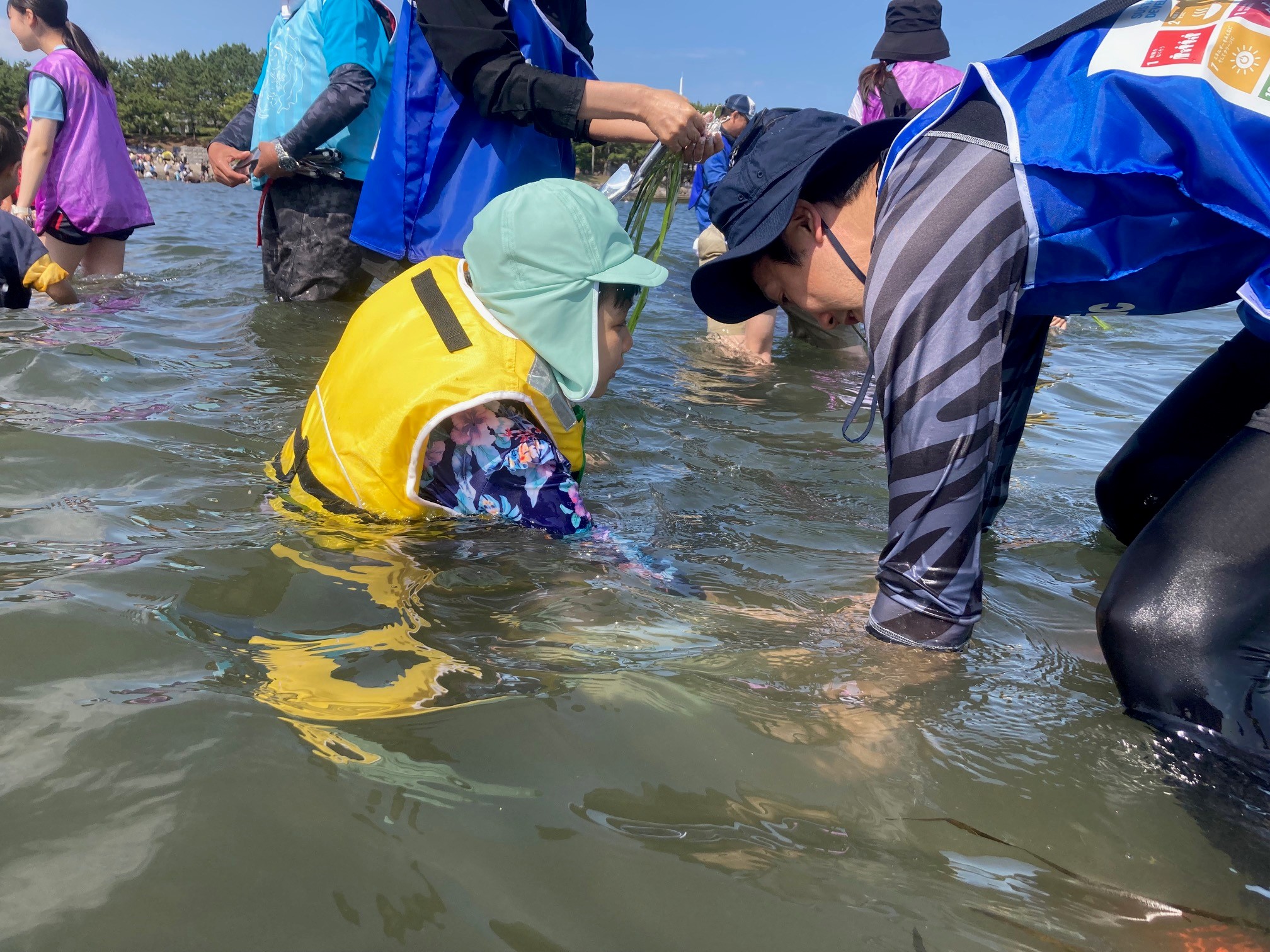
Seagrass-Bed Restoration Activities (in Japan)
Participation in Biodiversity Initiatives
The Panasonic Group participates in biodiversity initiatives and related industry organizations, as shown below. This is to accurately understand biodiversity policies in Japan and global trends concerning biodiversity, such as 23 targets for 2030 of the Kunming-Montreal Global Biodiversity Framework (GBF) adopted at COP15 (UN Biodiversity Conference), TNFD, and SBTN through study meetings. We feed these domestic and global policies back into Panasonic Group businesses and assess opportunities and risks.
<Membership and Participation>
- TNFD Forum member
- Keidanren Committee on Nature Conservation
- Japan Business Initiative for Biodiversity (JBIB)
- Biodiversity Conservation Committee of the Japan Association of Industries and Environment
- Biodiversity Working Group of four Electrical and Electronic Industry Associations*21
Additionally, Panasonic Holdings Corporation has been a member of the Clean Ocean Material Alliance (CLOMA) to accelerate innovation in solving marine plastic waste issues.
*21 Four industry associations: The Japan Electrical Manufacturers' Association (JEMA), Japan Electronics and Information Technology Industries Association (JEITA), Communications and Information Network Association of Japan (CIAJ), and Japan Business Machine and Information System Industries Association (JBMIA).
Keidanren Initiative for Biodiversity logo mark
