

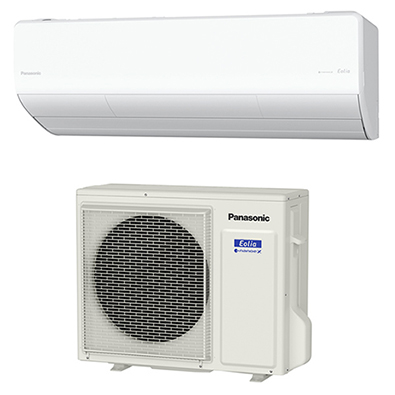
Home air conditioner
The "Eolia" X Series room air conditioners are designed to deliver high efficiency and stable operation even under low-load conditions, addressing the increasing use of residential air conditioners driven by improved home insulation performance and climate change.
Our research indicates that air conditioner usage has increased throughout the day and across seasons. In particular, energy efficiency during low-capacity operation—such as in spring and autumn, as well as during nighttime—has become increasingly important. In response, we developed an "Eco Inverter Control" system that enhances airflow and compressor control, along with an "Eco Rotary Compressor" that improves operational stability under low-load conditions.
In addition, this new energy-efficient room air conditioner incorporates a partial dehumidification function that prevents overcooling while reducing energy consumption, as well as a propeller fan with auxiliary blades that achieves both lightweight, resource-saving design and improved performance.
GHP (Gas Heat Pump Air Conditioner)
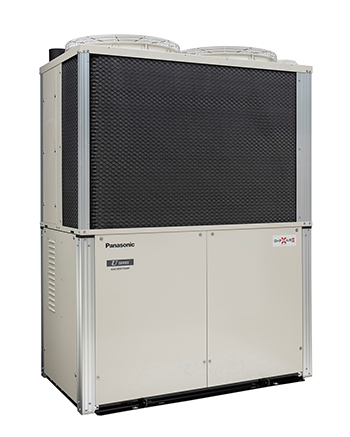
GHP (Gas Heat Pump Air Conditioner) is an air conditioning system that uses a gas engine to drive the compressor inside the outdoor unit and a heat pump to perform air conditioning.
The XAIR III ultra-high efficiency GHP, launched in 2020, reduces device size and maintenance space, and reduces installation space by 17%. In addition, through the development of technologies to improve refrigeration cycle efficiency and blower efficiency, annual energy consumption has been reduced by approximately 10% compared with the previous series, achieving both compactness and energy conservation.
These efforts have been highly acclaimed, and we have received a number of awards, including the Energy Conservation Award in fiscal 2020 (Director-General of the Agency for Natural Resources and Energy).
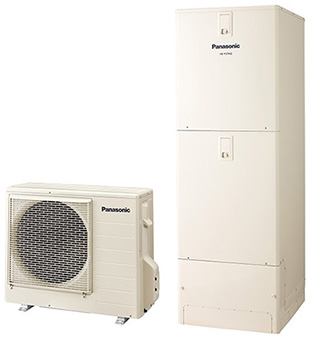
Eco Cute
<Solar self-consumption promoting natural refrigerant (CO2) heat pump water heater>
Panasonic Eco Cute promotes in-house consumption of renewable energy and contributes to achieving carbon neutrality.
The Ohisama Eco-Cute uses a combination of atmospheric heat, solar power and electricity to boil water. CO2 emissions and energy costs for hot water supply can be reduced.
In recent years, a new way of living that aims at energy self-sufficiency is required, and the environment surrounding us, such as global warming and natural disasters, is constantly changing.
Ohisama Eco-Cute produces hot water in consideration of the environment by effectively using energy generated by solar power generation.
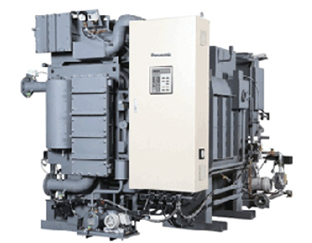
Absorption Chiller "Energy-Saving Natural Chiller, Type PR Genelink"
An absorption chiller is an air conditioning system that uses the heat of vaporization of refrigerant under vacuum, without using a compressor. The chiller uses water as the refrigerant and thermal energy as the operational power source such as the waste heat from factories and the combustion heat of gas. Therefore, the chiller is suitable for air conditioning for large-scale facilities such as domed stadiums, as air conditioning equipment that is environmentally friendly because of low power consumption. The system has large advantages that it is possible to lower the electric power load peak when the cooling load is high, that it uses water as a natural refrigerant, and that the outdoor unit installation space required is smaller than the one required for other air conditioning facilities of a similar capacity.
Compared with conventional products, this chiller reduces the rated cooling water flow rate by 30% and the cooling water pump conveyance power by 65.7%. This reduces the electric power consumed by the cooling water pump, which is a unit that consumes a large amount of power, minimizing it as far as possible. Furthermore, the 23.5% reduction of gas combustion through the utilization of waste heat indicates that energy-saving has been realized. These reduction were favorably evaluated for the product as a whole and it received the Promotion Award of the Heat Pump & Thermal Storage Technology Center of Japan in the 2017 Demand-Side Management Awards.
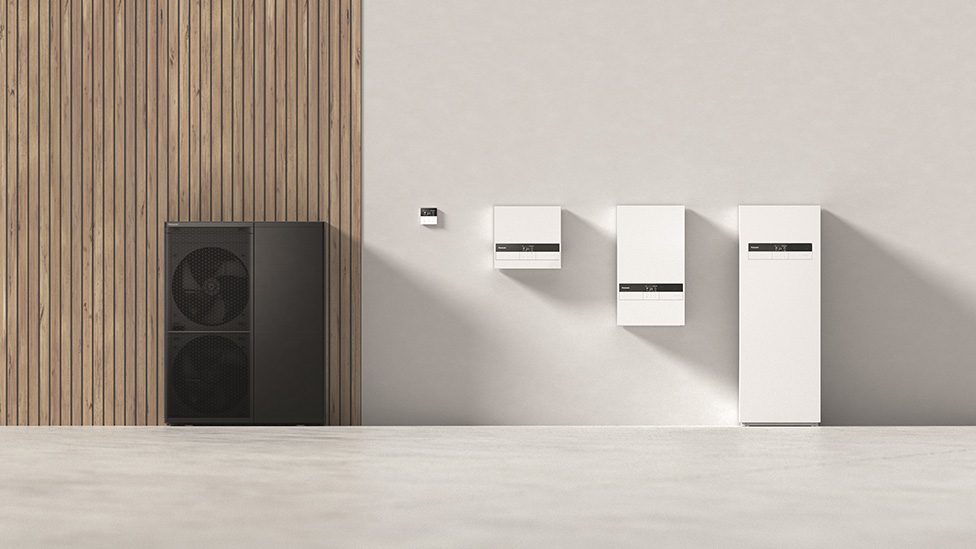
Hot water heating system for Europe
Aquarea Air to Water (A2 W), which is marketed in Europe, is an environmentally friendly next-generation heating system that utilizes renewable energy. It achieves industry-leading energy efficiency and can be integrated with solar power generation systems. Ahead of other companies, Aquarea has a lineup that uses propane (R290), a natural refrigerant, to further reduce environmental impact. The company also received the Good Design Award for outstanding industrial design. The company also develops services that are close to customers' lives, such as remote monitoring using IoT cloud. In 2024, the lineup of high-capacity A2W for apartment buildings was completed our company Aquarea continues to evolve as a product that is friendly to both the environment and people.
IAQ controlled heat exchanger system
A heat exchange ventilation system equipped with "IAQ (Indoor Air Quality) control" contributes to energy savings throughout the year by reducing air-conditioning loads through heat-exchange ventilation in summer and winter, and by lowering ventilation power consumption through automatic adjustment of air supply and exhaust volumes during mid-season periods.
During peak summer and winter periods, when air conditioning operates at full capacity, the system recovers heat from exhaust air and supplies it at a temperature closer to the indoor environment. This reduces the cooling and heating load on air conditioners, maintaining indoor comfort while improving energy efficiency.
During intermediate seasons (spring and autumn), when indoor temperatures are comfortable and air-conditioning demand is low, the system senses the temperature difference between indoor and outdoor environments and adjusts ventilation air volume according to air quality. This enables energy-efficient ventilation operation. For example, when heat exchange is less necessary, exhaust volume is reduced to lower power consumption.
In addition, maintaining a positive indoor pressure—where the air supply volume exceeds the exhaust volume—helps mitigate the ingress of outdoor pollutants, such as pollen and PM2.5, thereby preserving indoor comfort.
Furthermore, DC motors with low specific power consumption (high operational efficiency) are used for both supply and exhaust fans. These motors work effectively with variable airflow control, contributing to further reductions in the power consumption of the ventilation system itself.
In this way, the heat exchange ventilation system with IAQ control suppresses energy loss from ventilation and helps reduce daily electricity consumption, thereby contributing to lower CO₂ emissions. It is a ventilation system that achieves both comfort and energy efficiency / environmental consideration, and offers strong compatibility with GX-oriented (green transformation) building design.
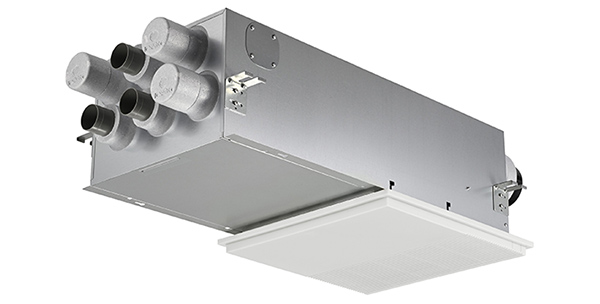
Heat exchange air unit
(Cassette Type/DC Motor Type)
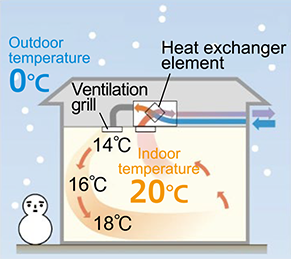
Hybrid GHP, an Individual Air Conditioning System for Maximizing Renewable Energy Use
This product is a hybrid GHP that combines an engine-driven compressor and an electrically driven compressor, and it is a system that can respond to up and down DR. The main functions are the remote control of the previous Smart Multi model.
In addition, it is equipped with a function to switch operation modes by receiving signals from an aggregator via an external circuit board.
The system can respond to power fluctuations easily without compromising air conditioning performance. One of the operation modes is a mode that prioritizes power consumption.
It also enables simple up-demand operation.
It also achieves an industry-leading APF of 2.46 (20 hp) by improving APFp by approximately 16% from the standard GHP by taking the best of both electricity and gas in operation control. In addition, the installation space is equivalent to that of the standard model, and the operation range is expanded when electricity or gas is cut off.

Industry-first*1 AI-enabled air conditioning control "Energy-Saving Management Service"
This service uses AI to learn facility information, outdoor temperature and weather data, as well as users' remote-control operation histories. It automatically controls air conditioning to the optimal temperature according to real-time conditions, while maintaining comfort levels that vary depending on staff activities and time of day. As a result, it achieves approximately 20%*2reduction in annual electricity consumption.
Retrofit installation for existing equipment:
The service can be retrofitted onto existing commercial air conditioning systems*3, without requiring large-scale construction or complex operational changes. This makes it possible to realize reliable energy savings through automated air conditioning control, even in small- to medium-sized facilities and multi-site retail operations where cost and operational constraints have traditionally made energy-saving measures difficult to implement.
This service received the Minister of Economy, Trade and Industry Award at the FY2025 Energy Conservation Grand Prize.
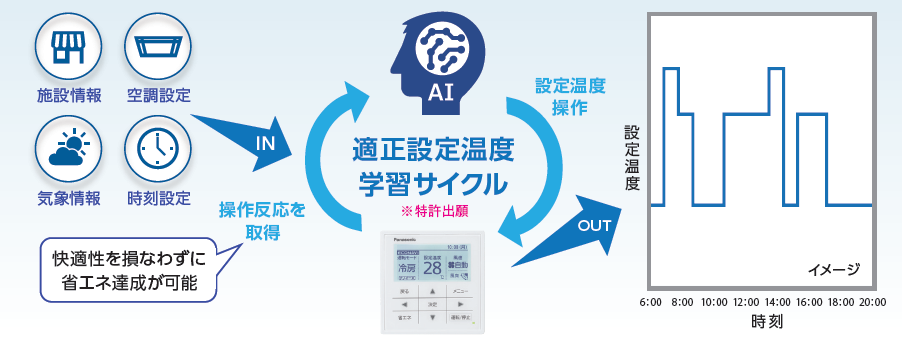
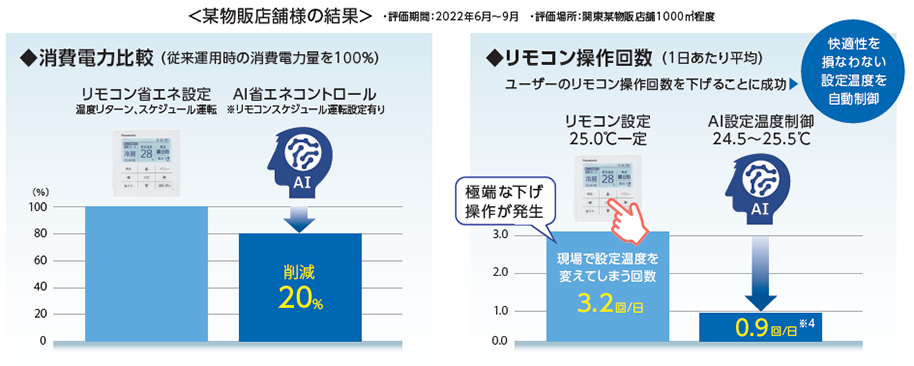
*1 Based on the Company's research in the air conditioning industry (as of March 8, 2023).
*2 Estimated based on one year of verification at two retail stores (approximately 1,000m2) in the Kanto region, compared with the "automatic temperature reset" function (which returns settings to a specified temperature after a set period). Actual results may vary depending on usage conditions.
*3 Applicable only to equipment that meets the Company's specified models and manufacturing year requirements.
"Eco Hybrid System" Clothing Dryer and Dehumidifier F-YEX120B
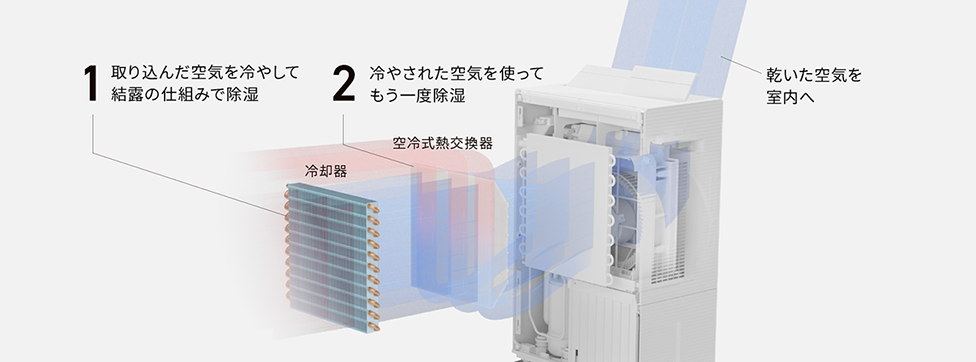
Dehumidification with 2 cooling mechanisms achieves significant energy-saving dehumidification
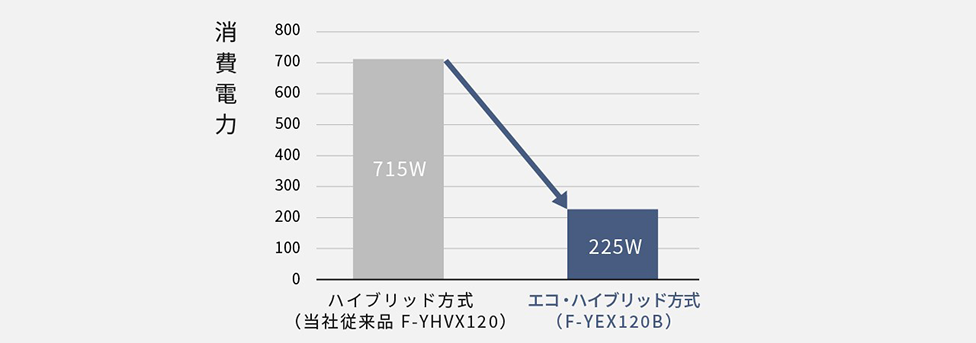
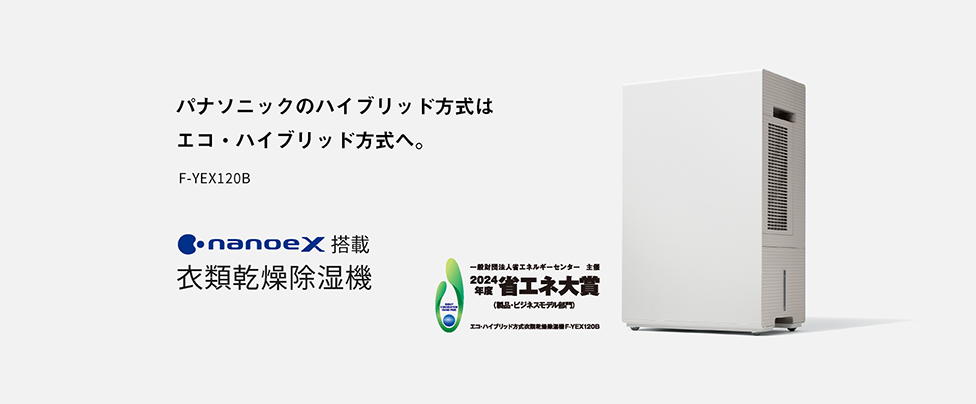
The "eco-hybrid system" installed in this product is a system in which indoor air is cooled and dehumidified by condensation using a refrigerating cycle cooler, and then heat is exchanged between the cooled air and indoor air from a different route using an air-cooled heat exchanger. An energy-saving dehumidification system is realized that improves dehumidification efficiency by utilizing cold heat, which has not been used before. As a result, power consumption has been reduced by 1/3 compared to conventional models. In addition, this new system was recognized and won the 2024 Energy Conservation Award, the Director-General Award of the Agency for Natural Resources and Energy.
Silky Fine Mist
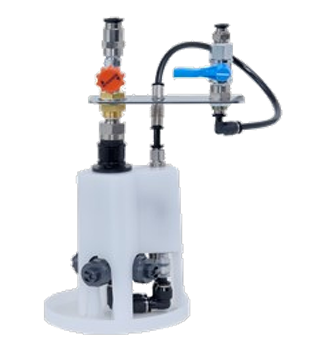
"Silky Fine Mist" is a registered trademark for a mist that can be sprayed as ultra-fine droplets with an average particle diameter of approximately 6–10 μm, even at low air pressure (0.25 MPa or less). A factory humidification system using twin-fluid mist nozzles that generate Silky Fine Mist minimizes wetting of people, buildings, and machinery, while providing various benefits within the space, including measures against static electricity.
When used in processes requiring humidification in factories, the system eliminates the need for the thermal energy required by conventional indirect steam humidifiers and the electrical energy required by electrode-type steam humidifiers. As a result, it enables a significant reduction in energy consumption compared with conventional humidification systems.
In addition, the system features excellent energy efficiency due to its low compressed-air consumption. By controlling humidification in large-scale spaces using ultra-fine mist, it contributes to energy conservation in factory operations.
The factory humidification system (control panel [Model: AE-GSCU011], solenoid valve unit (air) [Model: AE-GSVA011], solenoid valve unit (water) [Model: AE-GSVW011], and spray unit [Model: AE-GSUG011]) has been selected as a certified product under the Ministry of the Environment's LD-Tech Certification Program for FY2025.
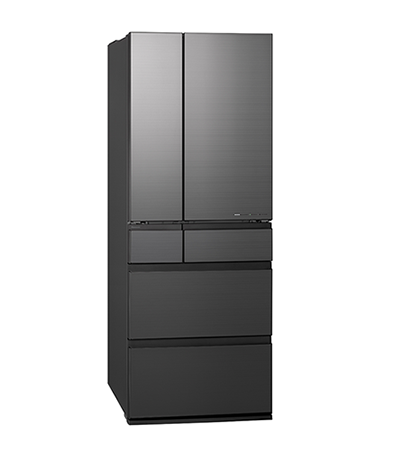
Demand Response–Enabled Refrigerator (WX3/HY3 Types)
In addition to existing features that reduce unnecessary energy consumption—such as "AI Cooling," which optimizes operation, "Frost Suppression Freezing," which reduces frost formation and prevents freezer burn, and "Power Outage Preparation Mode," which maintains low internal temperatures during outages to reduce food waste—this product now incorporates demand response (DR) functionality. This enhancement contributes to CO₂ emissions reduction, food loss mitigation, and improved resilience to climate change.
■Demand Response (DR) Automatic Operation Service
With the increasing adoption of renewable energy in recent years, maintaining a stable balance between electricity supply and demand has become more challenging due to variability by time and season. Panasonic addresses this issue by focusing on refrigerators, which operate continuously, and introducing a new environmental value through demand response (DR) services*4.
In response to requests from electric utilities, the refrigerator is automatically controlled to reduce power consumption during periods of high demand, and to increase power consumption when renewable energy supply is abundant. This helps stabilize electricity supply and demand. A key feature is that users can contribute to environmental initiatives seamlessly, without requiring any special operation, through automatic coordination with the appliance.
By accumulating small, everyday adjustments in household energy use, this approach supports the effective utilization of renewable energy and contributes to CO₂ emissions reduction, thereby helping to advance a decarbonized society. Through such initiatives embedded in daily life, the product aims to achieve both environmental sustainability and user comfort.
*4 Use of this service requires enrollment in a demand response program with a contracted electric utility, as well as registration with Panasonic's "Kitchen Pocket" application.
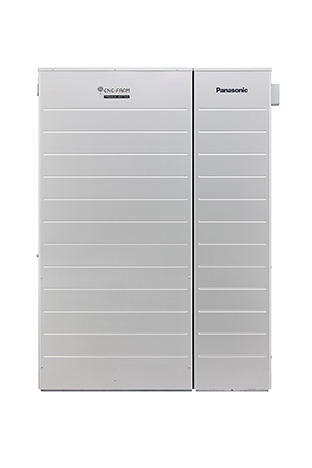
Residential fuel cell unit 'Ene Farm'
'Ene Farm' residential fuel cell unit is a system that provides high efficiency for power generation and energy saving benefits. 'Ene Farm' extracts hydrogen from city gas (natural gas) or LP gas, and then chemically reacts the extracted hydrogen with oxygen in the air to generate electricity. The heat generated by the reaction is stored in a hot water storage tank and can be used at home.
All of 'Ene Farm' units are equipped with the LPWA (Low Power Wide Area) communication function as standard that enables receiving weather information through cloud. In the case that 'Power Outage Risk Prediction' is received, its power generation mode is automatically switched to be prepared for power failure. Even in the event of a power failure at midnight or other times when the 'Ene Farm' has stopped generating electricity, there is no need to restart the 'Ene Farm' with an external power source. Therefore, 'Ene Farm' users can use electricity without worrying even in the event of a power failure.
In addition, for the case that the gas supply is stopped, a new function is equipped to boil water using its electric heater. Moreover, when the water supply is cut off, the hot water in its hot water storage tank can be used as domestic water. Thanks to these features, with one 'Ene farm' unit, it facilitates securing the minimum necessary infrastructure in the event of a disaster, such as 'electricity in the event of a power outage', 'hot water in the event of a gas supply stop', and 'domestic water in the event of a water outage'. Therefore, 'Ene Farm' users can spend time at home without worrying even when they are forced to sheltered at home.
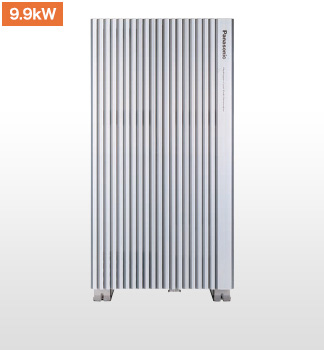
Water fuel cell "H2 KIBOU"
The pure hydrogen fuel cells are based on technologies developed in the home fuel cell EneFarm. For example, by sharing the fuel cell stack, a key device, with EneFarm, we achieved stable power generation performance and 56%*6 power generation efficiency, the highest level in the industry*5. Since this product is targeted for business use, the power generation output has been enhanced to 9.9 kW, more than 14 times the power generation output of the home EneFarm (700 W). Furthermore, by connecting and controlling multiple units, the power generation output can be scaled out according to demand, and by taking advantage of its lightweight and compact chassis size, it can be flexibly adapted to various installation conditions, such as on the roof of buildings or in small areas.
In fiscal 2022, our company HX KUSATSU, a demonstration facility that uses 100% renewable energy*7 for all power consumption in the manufacturing division of the fuel cell plant located at the plant in Kusatsu, Shiga Prefecture, Panasonic, was put into operation using a combination of pure hydrogen fuel cells and solar cells. By visiting this facility, you can feel closer to the CO2 reduction solution using hydrogen.
Panasonic will contribute to the realization of a decarbonized society by proposing a new option to expand the introduction of renewable energy through the full-scale use of hydrogen.
*5 According to Panasonic, as of October 1, 2021, the power generation efficiency of pure hydrogen fuel cells
*6 All efficiency is expressed in terms of LHV (LHV= heat generated after subtracting the latent heat of condensation of water vapor generated when fuel gas is completely burned)
*7 The use of green hydrogen generated by renewable energy, including the use of environmental value certificates, can be addressed. Although hydrogen derived from renewable energy is not used during the demonstration, we aim to use hydrogen derived from renewable energy in the future.
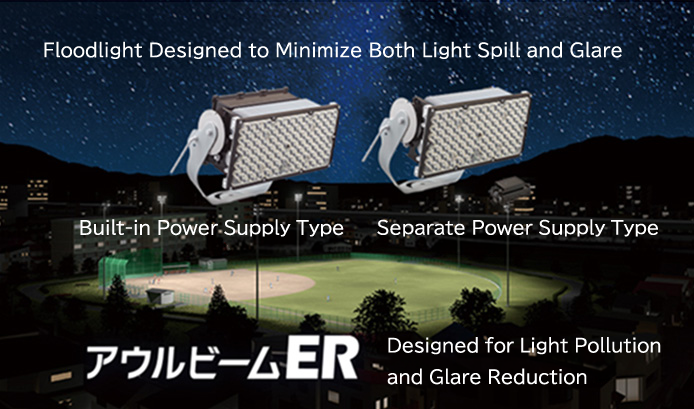
OWLBeam ER LED Projector
Floodlights are lighting fixtures used in sports facilities such as stadiums and multipurpose arenas to project high-intensity light in a specific direction.
The LED floodlight "OWLBeam ER" achieves a significant reduction in power consumption compared with conventional HID floodlights. It delivers the required illumination precisely to the playing surface while minimizing light spill to surrounding areas and reducing glare for players.
In addition, the Company's proprietary optical design technology reduces the number of fixtures required compared with conventional methods that rely on louvers to prevent light leakage. This contributes substantially to energy savings while also mitigating environmental impact on the surrounding area.
Integrated Staircase Light Wide, Middle, Slim, Corner Type
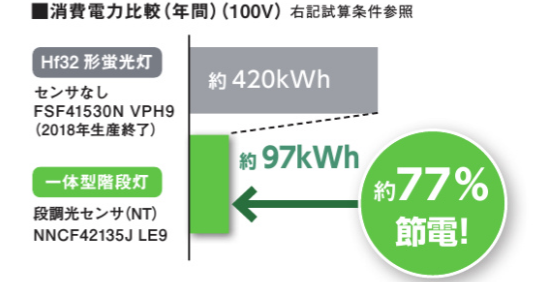
Changing from a fluorescent lamp without a sensor to an integrated stair lamp can save 77% of electricity annually.
The lamp turns on 100% when it detects a person. When there is no person present, the lamp reduces the brightness to the minimum required to save electricity, or automatically turns on and off when it detects a person's movement. The lamp turns off when there is no person present to save electricity.
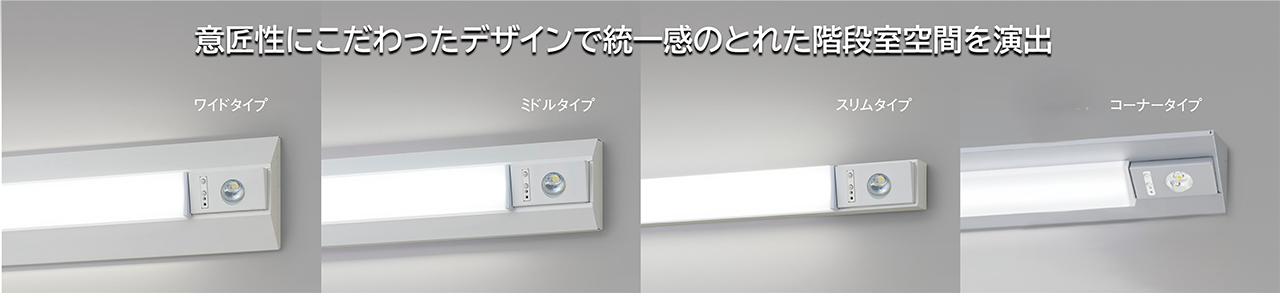
The design with particular attention to design creates a unified staircase space.
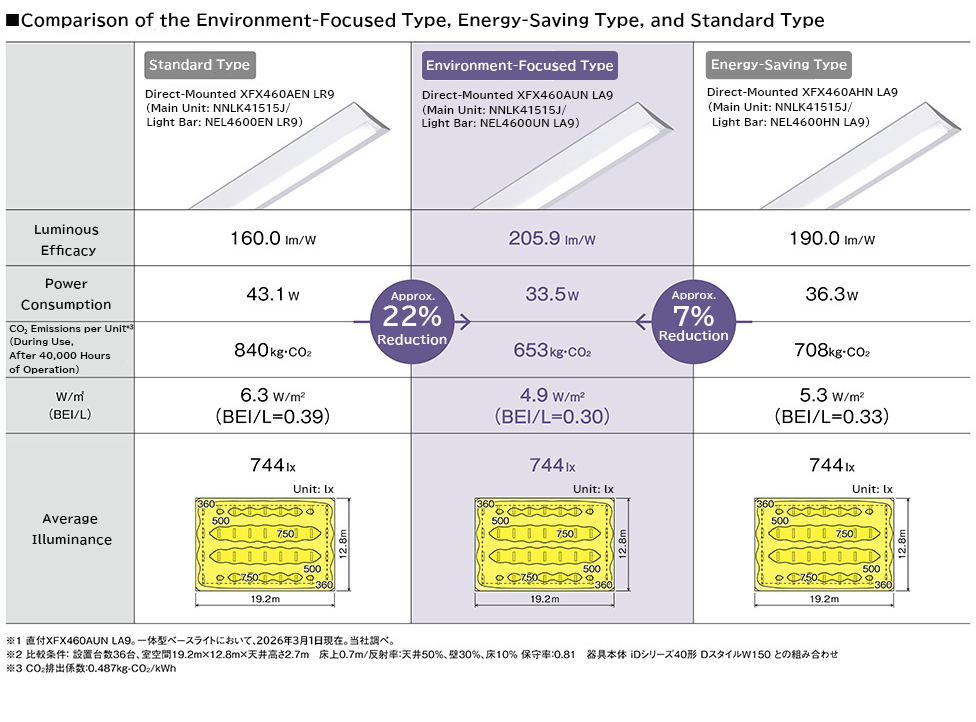
Light Bar for Integrated Base Light iD Series "Environment Specialized Type"
Panasonic Electric Works Co., Ltd. has launched an "Eco-Focused Type" light bar for its integrated base light iD series, achieving an industry-leading*8 luminous efficacy of 205.9 lm/W*9, which represents the brightness (luminous flux) per unit of power consumption (1W).
In recent years, interest in CO2 reduction has intensified within the construction industry, with the government considering the mandatory calculation of lifecycle CO2 emissions—from planning through demolition—of buildings. At the Company's Niigata plant, where its flagship integrated base light iD series is produced, efforts are underway to reduce CO2 emissions through initiatives such as improving energy efficiency, utilizing renewable energy, and implementing J-Credits. These efforts have enabled the achievement of virtually zero CO2 emissions*10 in operations, demonstrating the Company's commitment to environmentally responsible business practices.
The "Eco-Focused Type" is a new product developed to reduce CO2 emissions across the entire lifecycle of lighting fixtures. By optimizing the cover's light transmittance and enhancing internal reflectivity, the product achieves an industry-leading*8 luminous efficacy of 205.9 lm/W*9. This contributes to reducing CO2 emissions during the use phase, which accounts for the largest share of emissions in a lighting fixture's lifecycle.
Furthermore, CO2 emissions generated during raw material procurement and production are offset through the J-Credit scheme prior to shipment.
The Company will continue to contribute to the realization of comfortable and energy-efficient living environments through its lighting business.
*8 Based on a combination model (XFX460AUN LA9) with a direct-mount luminaire body. Applicable to integrated base lights as of March 1, 2026 (according to the Company's research).
*9 The light bar is used in combination with a luminaire body. Based on model NEL4600UN LA9 paired with a direct-mount luminaire body (model XFX460AUN LA9).
*10 The Company defines a "virtually zero CO2 emissions factory" as one that achieves net-zero CO2 emissions by combining energy-saving measures, productivity improvements, the use of renewable energy, and carbon offsetting through credits to neutralize fossil fuel–derived emissions.
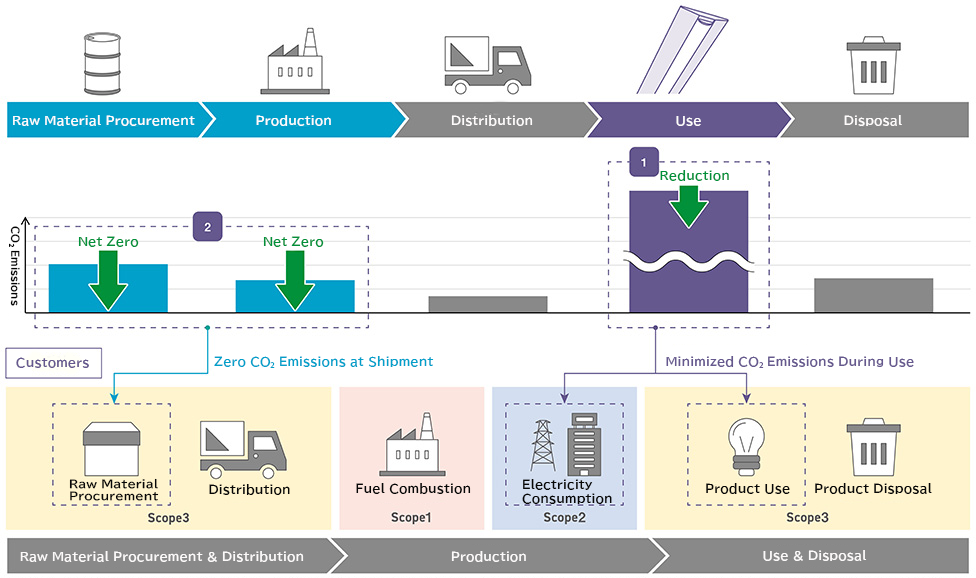
Supply chain emissions include not only direct emissions generated within a company but also indirect emissions associated with its business activities. They encompass all emissions related to business operations, including Scope 1, Scope 2, and Scope 3 emissions. Reducing these emissions helps promote energy-saving initiatives and supports CO2 reduction through lower energy consumption and costs.
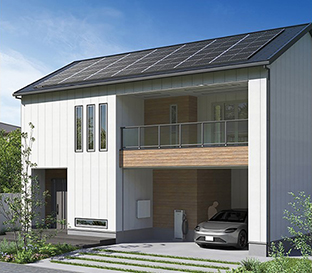
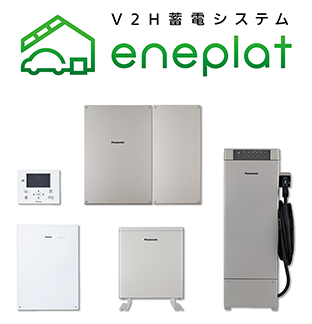
"eneplat," a V2H power storage system for residential use that looks ahead to the electric vehicle era
There is a growing need to use electricity generated by solar power for self-consumption within the home, rather than selling it back to the grid. The V2H energy storage system "eneplat" integrates a V2H (Vehicle-to-Home) system, which supplies electricity stored in an electric vehicle (EV) battery to the home, with a stationary storage battery. It is the first in the industry*11 to enable simultaneous charging and discharging of an electric vehicle*12 and a storage battery.
This allows for more effective utilization of solar power generation within the home, reducing both the amount of electricity sold back to the grid and the amount purchased from it, thereby supporting greater energy self-sufficiency.
In addition, by linking "eneplat" with "AiSEG3," the core device of the Company's energy solutions that connects various household appliances and residential equipment, the system enhances self-consumption and contributes to CO2 emissions reduction.
*11 Based on products released in Japan for residential DC-linked V2H energy storage systems as of November 25, 2022 (according to the Company's research).
*12 Compatible electric vehicles are limited to those specified by the Company.
Energy Management Solutions "Emanage"
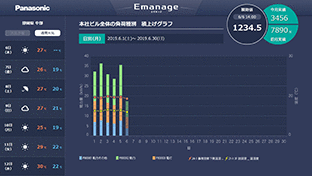
Emanage is a cloud-type service that provides continuous support for energy-saving activities at facilities, from problem detection to operation and facility improvement. Visualization shows changes in power measurement results by circuit breaker and gas measurement results by year, month, week, day (1 hour) and day (30 minutes). Power measurement results by system, as well as details of electric light and power systems, can be viewed in stacked graphs. By clarifying when, where, what, and how much electricity is used, and by improving operations such as demand control of lighting equipment and air conditioners in response to problems found, we contribute to reducing energy use by our customers.
'AiSEG3'
"AiSEG3" is a Home Energy Management System (HEMS) that connects and controls a wide range of household equipment, supporting not only reductions in living costs but also a comfortable lifestyle.
For example, the "AI Solar Charge Plus" function forecasts solar power generation based on weather data and predicts electricity consumption from daily usage patterns. This enables efficient and intelligent use of generated electricity, helping to reduce electricity costs. In addition, while "AiSEG2" allowed up to eight configurable device-control scenarios, "AiSEG3" expands this capability to 48 scenarios, enabling more granular and lifestyle-oriented control of household equipment from morning to night.
Beyond functionality, the product also incorporates a simple design based on the Archi Design concept, allowing it to blend seamlessly into living spaces.
The newly introduced "AiSEG app" organizes frequently used functions and simplifies information display, enabling users to easily monitor electricity costs and energy balance at a glance, while smoothly controlling devices throughout the home. By linking with a smartphone's GPS function, the system can prompt users to check door locks or prepare a comfortable indoor temperature before returning home, enhancing quality of life regardless of location.
Furthermore, by intelligently utilizing solar power generation and storage batteries, the system not only supports everyday energy savings but also enhances resilience during power outages. It can also operate in coordination with weather alerts, providing additional peace of mind in case of emergencies.
Looking ahead, the system aims to evolve into a "control hub" that analyzes aggregated data using AI and automatically optimizes energy efficiency based on residents' lifestyle patterns, even without manual operation. Through this, it seeks to address the growing demand for advanced home energy management.
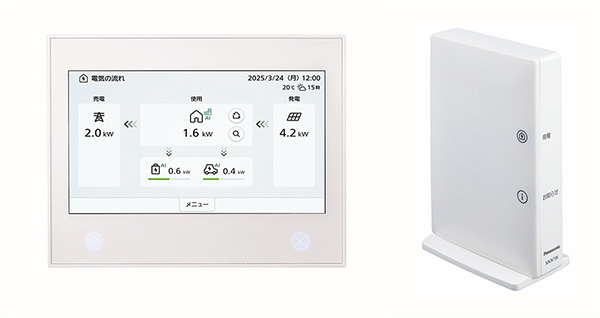
Left: AiSEG3 (with 7-inch monitor) (MKN7140, MKN7141)
Right: AiSEG3 (Gateway Type) (MKN706)
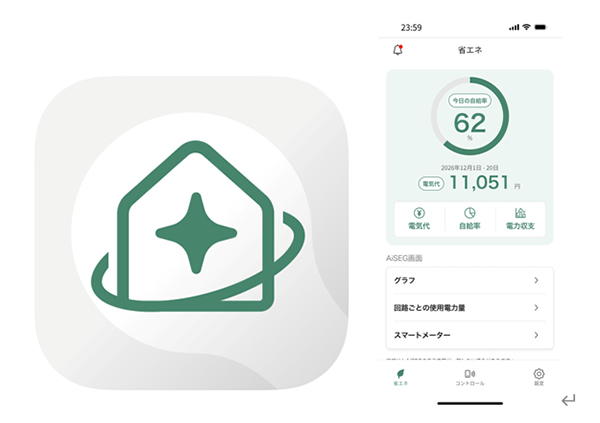
Left: AiSEG App Icon
Right: AiSEG App Energy-Saving Dashboard
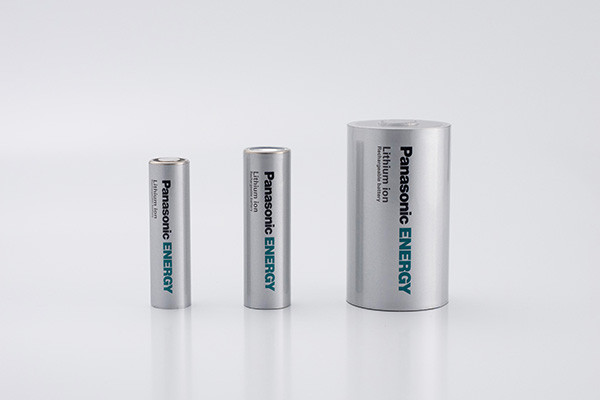
In-Vehicle lithium ion battery
Electric vehicles (EVs) are more energy efficient than internal combustion engine vehicles (ICE) and contribute to the direct reduction of CO2 emissions during driving. Battery-powered electric vehicles (BEVs), in particular, supply the power needed to drive the motor from the battery in the vehicle, and batteries are an important component that plays the core role.
Our company's in-vehicle lithium-ion batteries provide high capacity and power, contributing to the improvement of EV long-distance travel.
We will strengthen our production systems, mainly in Japan and North America, and contribute to the realization of decarbonization by promoting the spread of EVs and further reducing environmental impact.
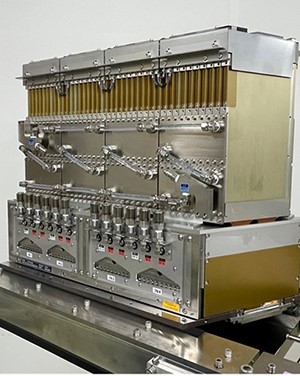
Industrial Inkjet Equipment for Low-Cost, High-Definition Organic EL (OLED) Displays
Organic EL (OLED) displays, in which red, green, and blue (RGB) light-emitting materials are coated on a substrate and an electric current is applied to the substrate to project images, are widely used in society such as televisions, smartphones, and signage.
Traditionally, vacuum deposition has been used to manufacture OLED displays, but the material utilization efficiency is very low, and most of the expensive materials are discarded. Compared to vacuum process equipment, our company's inkjet system can improve the material utilization efficiency with less expensive equipment, and it can be used for large substrates. Furthermore, since printing can be performed without vacuum, it can also save energy when manufacturing OLED displays. In addition, since displays produced by inkjet equipment lose less light through color filters due to RGB spontaneous emission, it has the advantage of higher energy conversion efficiency than displays produced by vacuum deposition, which is used for conventional white OLEDs, and it can also save energy when using OLED displays.
This technology has been highly evaluated from the perspectives of scientific and technological progress and industrial development, and has received numerous awards, including the Ichimura Industry Award for Achievement and the Okochi Memorial Technology Award.
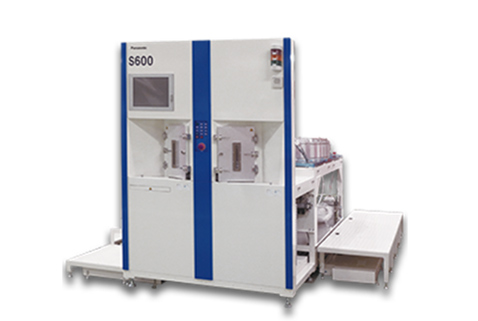
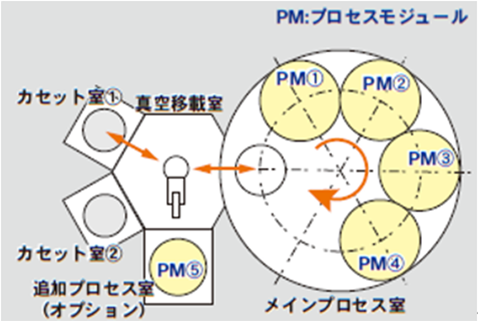
Low Power-Consumption Turntable-Type Sputtering System to Reduce Cleanroom Operating Costs
Sputtering systems, which deposit thin-film materials onto substrates in a vacuum environment, are widely used in front-end manufacturing processes for semiconductor devices, displays, energy products, and optical components.
Conventional sputtering systems typically employ a multi-chamber configuration to enable continuous processing of different materials within a single system. However, this approach increases the equipment footprint, leading to higher cleanroom operating costs.
The Company's turntable-type system addresses this challenge by incorporating multiple processing chambers within a single vacuum chamber and transferring substrates between them using a turntable mechanism. This configuration reduces the overall footprint and contributes to lower cleanroom operating costs.
Furthermore, by consolidating multiple processing chambers into a single vacuum chamber, the number of cryopumps required to achieve high vacuum conditions can be reduced. This leads to lower energy consumption by the compressors that drive the pumps, thereby contributing to improved energy efficiency during equipment operation.
The Company's sputtering systems are highly reliable and compatible with multilayer film processes that have been widely adopted as industry standards over many years. As such, they are also highly regarded as a B2B platform.
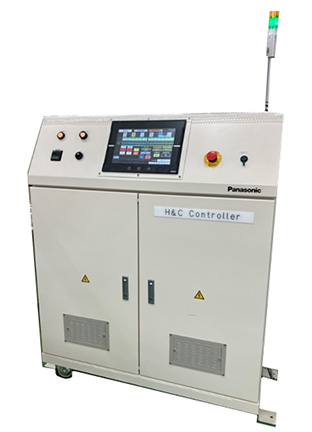
Ultra-High-Speed H&C Molding (Electric Type) Featuring Low Cost and Short Cycle Time
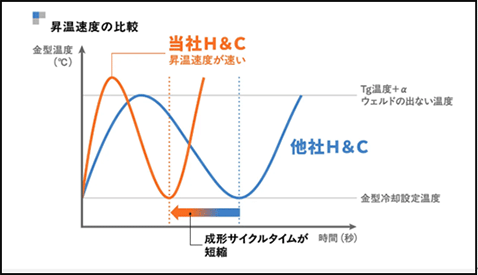
H&C (Heat & Cool) molding is widely used in automotive and home appliance applications to achieve weld-less and paint-less finishes. Steam-based H&C molding, a type of molding process for materials such as plastics, performs both heating and cooling within a single molding cycle. This contributes to superior surface quality and reduced molding difficulty; however, it has the drawback of longer cycle times.
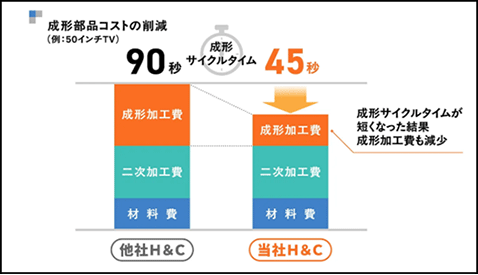
The Company's proprietary ultra-high-speed H&C molding (electric type) overcomes this challenge by combining a high-efficiency electric heater for the heating process with advanced heat exchange technology that enhances cooling efficiency using chiller water. This innovation significantly shortens the H&C process cycle time, enabling a reduction in the number of molding machines required and lowering processing costs, thereby contributing to energy savings.
In addition, the elimination of boiler equipment reduces both material usage and fuel costs, further lowering environmental impact from the perspectives of resource efficiency and energy consumption.